Too Much Earwax? How to Spot the Signs


Too Much Earwax? How to Spot the Signs
Earwax is a natural and important part of your body’s defense system. It protects the ear canal from dirt, bacteria, and dryness. But for some people, earwax can build up and cause discomfort—or even affect hearing. Here’s a guide to recognizing the signs of too much earwax and what you can do about it.
What Exactly Is Earwax?
Earwax—known medically as cerumen—is produced by glands in the outer part of the ear canal. It’s made up of oils, dead skin cells, and secretions that together form a protective barrier. Earwax helps keep the ear canal moist and traps dust and microorganisms before they reach the eardrum.
Normally, earwax moves slowly out of the ear on its own, helped by jaw movements when you chew or talk. But in some people, it can build up and form a blockage.
Læs også:


Common Signs of Earwax Buildup
It’s not always easy to tell if you have too much earwax, but there are several symptoms to watch for:
- Reduced hearing – a wax plug can block sound, making everything seem muffled or distant.
- Fullness or pressure in the ear – it may feel like something is stuck inside.
- Itching or irritation – excess wax can cause discomfort or an itchy sensation.
- Ringing in the ears (tinnitus) – some people notice buzzing or ringing when wax presses on the eardrum.
- Dizziness or imbalance – in rare cases, wax buildup can affect your sense of balance.
If you notice several of these symptoms, you may have an earwax blockage.
What Not to Do
Many people try to remove earwax with cotton swabs, hairpins, or other objects—but that can do more harm than good. Cotton swabs often push wax deeper into the ear canal, where it can harden and form a plug. You also risk irritating the skin or damaging the eardrum.
The best approach is to let your ears clean themselves unless you’re having symptoms. The ear has a natural self-cleaning process that usually works just fine on its own.
How You Can Help at Home
If you tend to produce a lot of earwax, there are a few safe ways to help the process along:
- Use ear drops – over-the-counter drops can soften wax, making it easier for the ear to clear itself.
- Keep your ears dry – moisture can cause wax to clump together. Gently dry the outer ear after showering or swimming.
- Avoid poking or digging – the more you fiddle with your ears, the higher the risk of irritation or blockage.
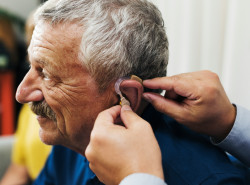
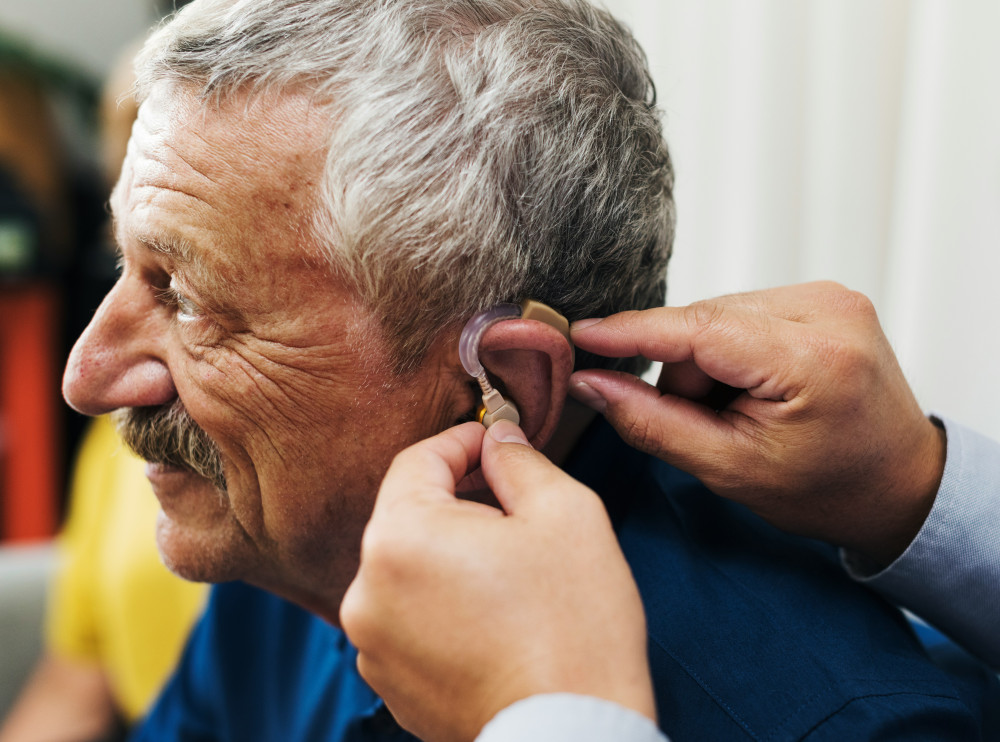
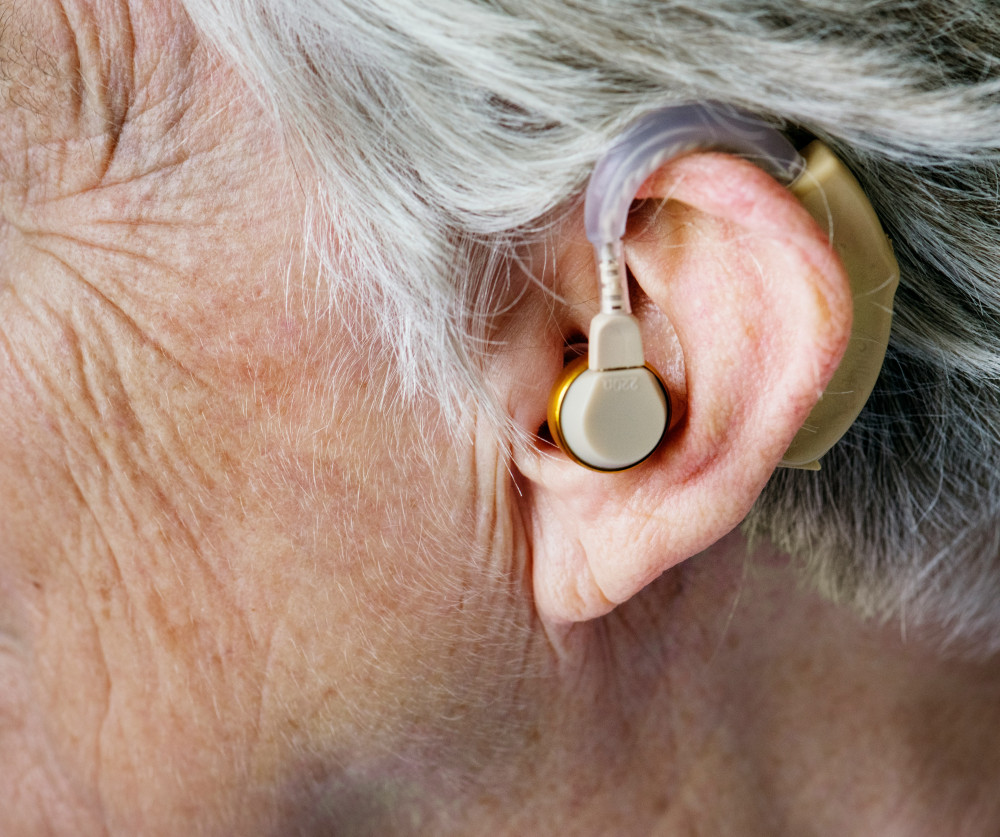
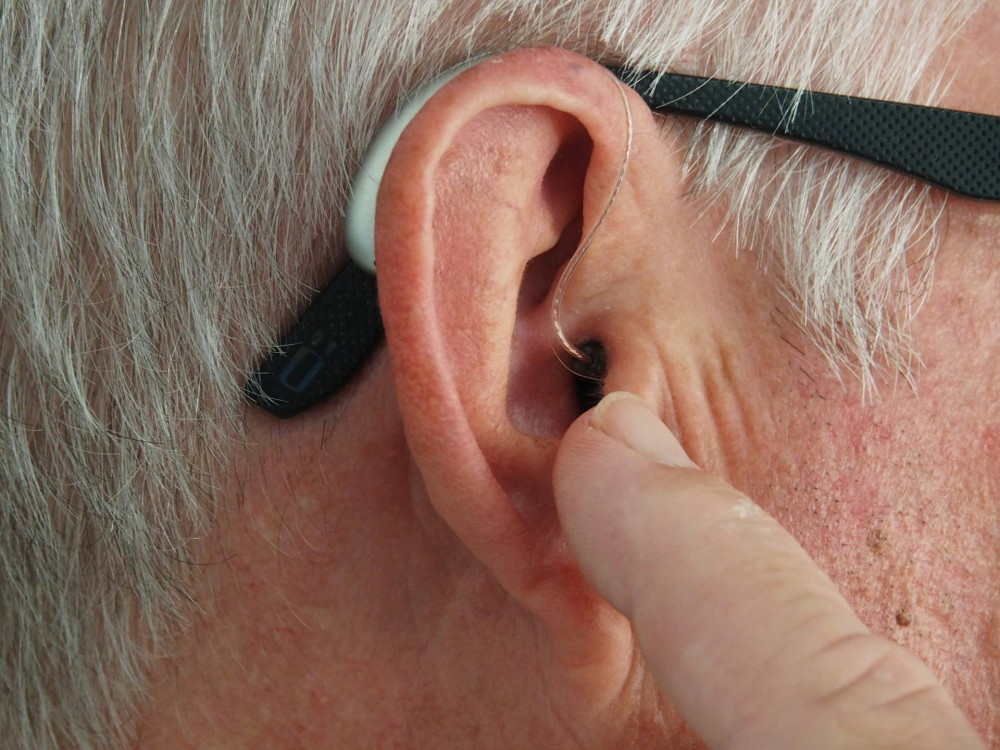
If you wear hearing aids or earbuds regularly, it’s a good idea to have your ears checked from time to time, since these devices can trap wax inside the ear canal.
When to See a Doctor
If you experience persistent hearing loss, pain, dizziness, or drainage from the ear, contact your primary care provider or an ear, nose, and throat (ENT) specialist. They can examine your ear with an otoscope and safely remove any wax buildup—often by gentle irrigation or with specialized tools.
Never try to flush your ears with water or use ear candles at home unless a healthcare professional has instructed you to do so. Improper cleaning can lead to infection or injury.
Everyday Prevention
For most people, it’s enough to let the ears take care of themselves. But if you’re prone to wax buildup, a few simple habits can help prevent problems:
- Avoid using cotton swabs inside the ear canal.
- Use softening drops once or twice a month if recommended by your doctor.
- Have your ears checked periodically—especially if you use hearing aids or earplugs daily.
By recognizing the signs early and taking gentle care, you can avoid discomfort and keep your hearing healthy.
Læs også: