Protect Your Outer Ear: How to Prevent Injuries from Helmets, Headphones, and Earplugs

Keep your ears comfortable and injury-free in everyday life
Ears
Ears
6 min
Helmets, headphones, and earplugs are part of modern living—but they can also harm your outer ear if used the wrong way. Learn how to protect your ears from pressure, irritation, and infection while still enjoying safety, music, and quiet.
Phoenix Martinez
Phoenix
Martinez

Protect Your Outer Ear: How to Prevent Injuries from Helmets, Headphones, and Earplugs

Keep your ears comfortable and injury-free in everyday life
Ears
Ears
6 min
Helmets, headphones, and earplugs are part of modern living—but they can also harm your outer ear if used the wrong way. Learn how to protect your ears from pressure, irritation, and infection while still enjoying safety, music, and quiet.
Phoenix Martinez
Phoenix
Martinez

Your outer ear is more delicate than it looks. Everyday items like bike helmets, headphones, and earplugs can cause irritation, pressure sores, or even infections if used incorrectly. The skin around the ear is thin and sensitive, and small irritations can quickly turn into pain or inflammation. Here’s how to keep your ears healthy in a world where we often have something on or in them.

Helmets: Safety Without the Squeeze

A properly fitted helmet is essential for safety—whether you’re biking, motorcycling, or skiing—but a helmet that presses too tightly on your ears can cause discomfort or even minor injuries. Constant pressure on the cartilage can lead to soreness, redness, or small abrasions, especially with daily use.

How to avoid pressure injuries:

  • Make sure your helmet fits snugly but doesn’t press directly on your ears. You should be able to move it slightly without pain.
  • Choose a model with soft padding around the ear area.
  • Take short breaks if you wear your helmet for long periods—let your ears breathe.
  • Keep your helmet clean. Sweat and dirt can irritate the skin and increase the risk of infection.

If you notice persistent soreness, it may be a sign that your helmet is too small or the wrong shape. Adjustable models can often solve the problem.

Headphones: Listen Smart

Headphones are part of daily life—during commutes, workouts, or work calls—but both in-ear and over-ear styles can cause problems for the outer ear.

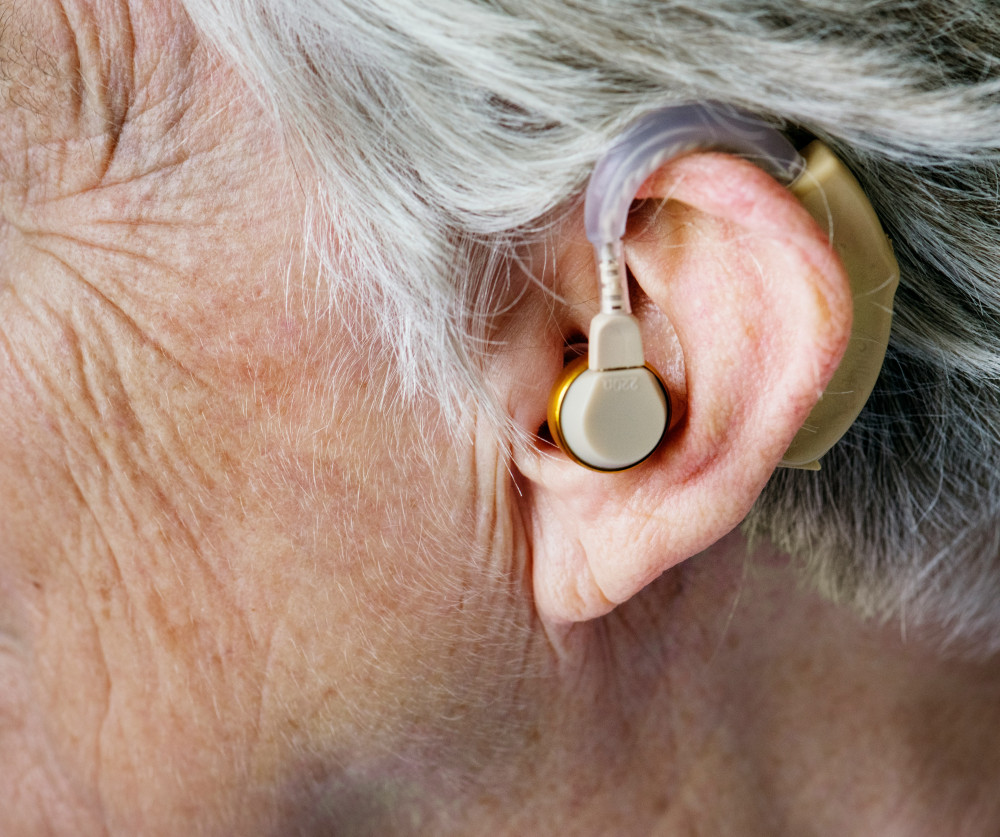
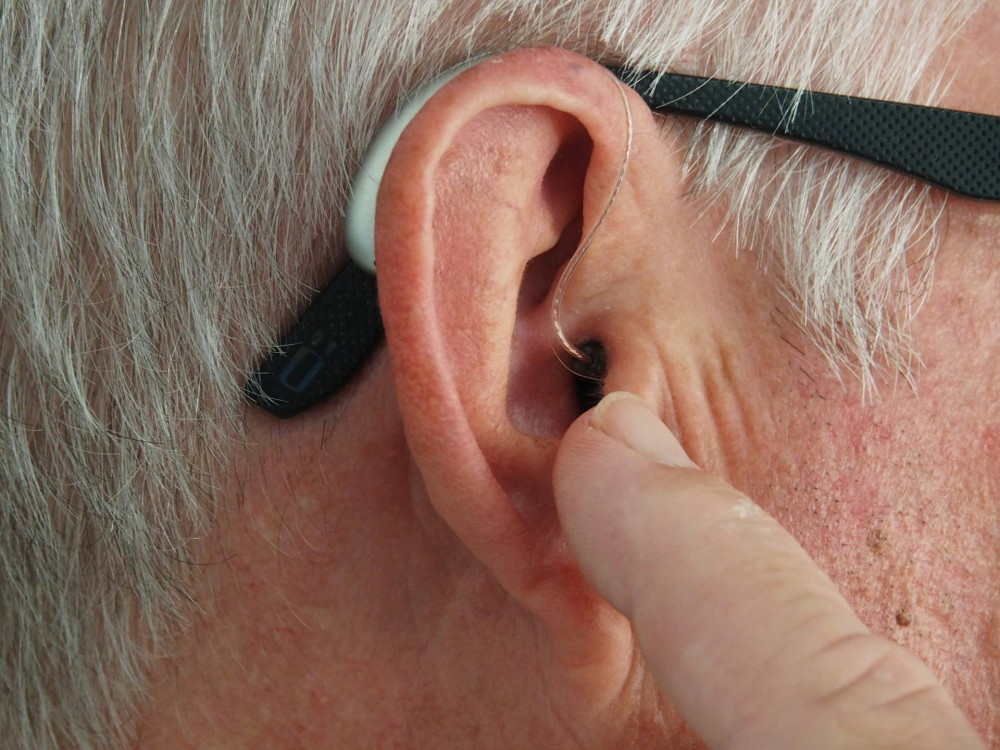
In-ear headphones can trap moisture and heat in the ear canal, creating a breeding ground for bacteria or yeast. They can also irritate the skin if they fit too tightly or are worn for hours at a time. Over-ear headphones can put pressure on the ear cartilage, especially if the ear pads are stiff or if you wear glasses.

Healthy habits:

  • Clean your headphones regularly with a mild disinfecting wipe.
  • Give your ears breaks—about 10 minutes of rest for every hour of use.
  • Avoid sharing headphones, as this increases the risk of infection.
  • Keep the volume moderate—not just to protect your hearing, but because loud sound can make you press the headphones tighter against your ears.

Earplugs: Protection in Moderation

Earplugs are useful for sleeping, swimming, or blocking noise, but overuse or poor hygiene can lead to irritation or infection. Prolonged use can trap moisture and cause itching, inflammation, or even eczema in the ear canal.

Safe earplug use:

  • Choose the right type for your needs—foam plugs for noise, silicone plugs for swimming, and custom-molded plugs for long-term use.
  • Clean reusable earplugs after every use.
  • Avoid sleeping with earplugs every night; give your ears time to “breathe.”
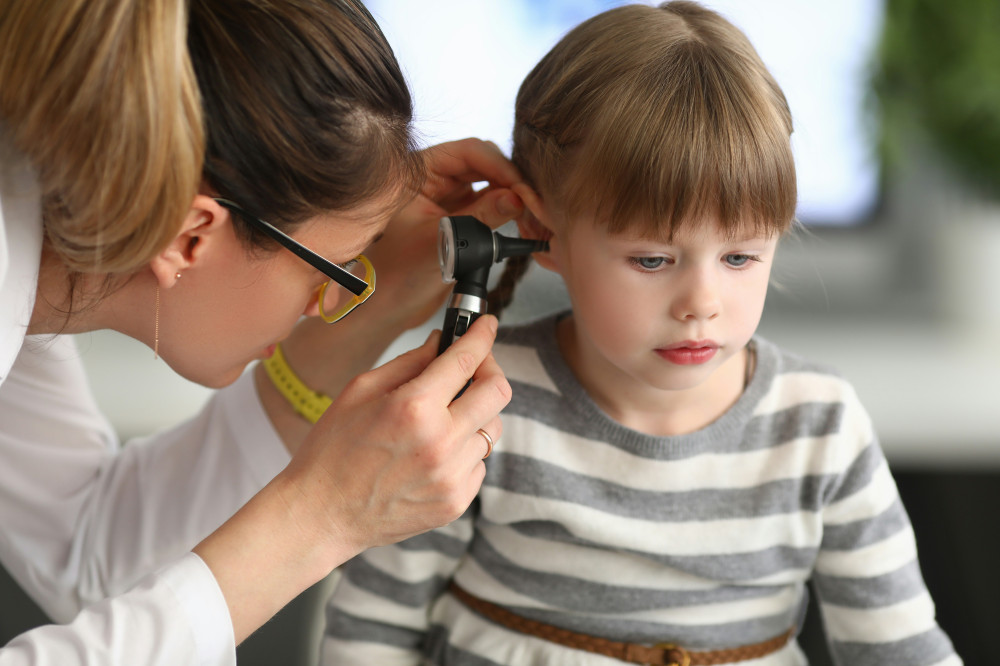
  • If you notice itching, pain, or discharge, stop using them and consult a healthcare provider or ENT specialist.

When Your Ear Needs a Break

Warning signs that your outer ear needs attention include:

  • Soreness or swelling around the ear cartilage
  • Itching or redness in the ear canal
  • Scabbing or fluid discharge
  • Pain when touching the ear or putting on headphones

These symptoms can result from pressure, moisture, or early infection. The best remedy is rest—avoid further irritation and let your ear recover. If symptoms persist for more than a few days, seek medical advice.

Give Your Ears Some Space

Your outer ears need air and movement to stay healthy. Try to have “ear-free” periods during the day when you’re not wearing a helmet, headphones, or earplugs. Gently dry your ears after showering, and avoid cleaning too deeply with cotton swabs—they can damage the skin and push debris further in.

Healthy outer ears aren’t just about comfort—they’re about prevention. Small irritations can quickly escalate if ignored. With a little care and awareness, you can protect your ears from the everyday wear and tear of modern life.

Balance in the Ear: How Movement and Rest Strengthen Your Equilibrium
Discover how your inner ear, movement, and mindful rest work together to keep you steady and grounded
Ears
Ears
Balance
Inner Ear
Health
Movement
Wellbeing
2 min
Your sense of balance is more than just staying upright—it’s a finely tuned system linking the inner ear, eyes, and body. Learn how gentle movement, proper rest, and awareness of your body’s signals can strengthen your equilibrium and support lifelong stability.
Oliver Carrillo
Oliver
Carrillo
Too Much Earwax? How to Spot the Signs
Learn how to recognize when earwax buildup becomes a problem
Ears
Ears
Ear Health
Hearing
Hygiene
Medical Advice
Wellness
5 min
Earwax plays an important role in keeping your ears healthy, but too much of it can lead to discomfort and hearing issues. Discover the common signs of earwax buildup, what you should avoid doing, and when it’s time to seek professional help.
Elias Carter
Elias
Carter
Protect Your Outer Ear: How to Prevent Injuries from Helmets, Headphones, and Earplugs
Keep your ears comfortable and injury-free in everyday life
Ears
Ears
Ear Health
Hearing Protection
Personal Care
Safety Tips
Everyday Wellness
6 min
Helmets, headphones, and earplugs are part of modern living—but they can also harm your outer ear if used the wrong way. Learn how to protect your ears from pressure, irritation, and infection while still enjoying safety, music, and quiet.
Phoenix Martinez
Phoenix
Martinez
A Mental Breather in an Overstimulated Everyday Life
Discover how small moments of stillness can restore balance in a world that never stops
Wellbeing
Wellbeing
Mental Health
Mindfulness
Digital Detox
Wellbeing
Stress Management
5 min
In an age of constant stimulation and digital noise, our minds rarely get the rest they need. This article explores practical ways to create mental breathers—simple pauses that help you reset, recharge, and find calm amid everyday chaos.
Harper Vasquez
Harper
Vasquez
Sleep Deprivation and Mood: When Imbalance Strikes
How lack of sleep disrupts emotional balance and mental well-being
Wellbeing
Wellbeing
Sleep
Mental Health
Well-Being
Stress
Lifestyle
5 min
Discover how sleep deprivation affects your mood, focus, and emotional health. Learn why consistent rest is vital for mental stability and explore practical ways to restore balance when sleeplessness takes hold.
Ruby Reyes
Ruby
Reyes
Vitamins and Minerals – Essential Nutrients for a Healthy Immune System
Discover how key vitamins and minerals help your body stay strong and resilient
Wellbeing
Wellbeing
Immune System
Nutrition
Vitamins
Minerals
Healthy Living
5 min
Learn how essential nutrients like vitamins and minerals support your immune system and overall health. This article explains which micronutrients matter most, how to get them from your diet, and why balance is the key to lasting wellness.
Oliver Carrillo
Oliver
Carrillo
Small Daily Rituals That Build Structure and Create a Sense of Security
Discover how simple daily habits can bring calm, focus, and a sense of stability to your everyday life
Wellbeing
Wellbeing
Mindfulness
Daily Habits
Wellbeing
Self-Care
Life Balance
3 min
In a world that often feels rushed and unpredictable, small daily rituals can help you regain balance and peace of mind. Learn how intentional routines—morning, evening, and in between—can create structure, strengthen connection, and nurture a lasting sense of security.
Elias Carter
Elias
Carter
Mindfulness on the Go: Simple Exercises for a Busy Life
Discover how to bring calm and clarity into your day—anytime, anywhere
Wellbeing
Wellbeing
Mindfulness
Stress Relief
Mental Health
Wellbeing
Self-Care
7 min
Learn simple mindfulness techniques that fit seamlessly into a busy lifestyle. From mindful breathing to turning daily routines into moments of presence, these easy exercises help you stay centered and reduce stress throughout your day.
Phoenix Martinez
Phoenix
Martinez