Balance in the Ear: How Movement and Rest Strengthen Your Equilibrium

Balance in the Ear: How Movement and Rest Strengthen Your Equilibrium
Most of us rarely think about our sense of balance—until it falters. Yet our ability to stand upright, move safely, and stay oriented in space depends on a complex collaboration between the balance system in the inner ear, our vision, and the sensory feedback from muscles and joints. When this system works smoothly, we move effortlessly. When it’s disrupted, even simple movements can feel uncertain. The good news is that both movement and rest can help strengthen your equilibrium and support the ear’s remarkable balancing act.
The Ear’s Role in Balance
Deep inside the inner ear lies the vestibular system—a network of fluid-filled canals and tiny sensory cells that detect motion and head position. When you turn your head, the fluid moves, stimulating these cells to send signals to the brain about direction and speed. The brain then combines this information with input from your eyes and body to create a complete picture of where you are in space.
If the vestibular system is disturbed—by an infection, fluid buildup, displaced crystals, or age-related changes—it can lead to dizziness, unsteady walking, or the sensation that the room is spinning. While these symptoms can be uncomfortable, the system can often be retrained and regain stability through targeted movement and mindful rest.
Movement as Medicine
It may seem counterintuitive, but when balance is off, movement is often the best remedy. The brain has an impressive ability to adapt—a process known as vestibular compensation. By gradually exposing yourself to controlled movements, your brain learns to reinterpret signals from the ear and restore equilibrium.
Simple exercises can make a big difference:
- Head movements – slowly turn your head side to side or up and down while keeping your eyes fixed on a point.
- Balance training – stand on one leg, walk heel-to-toe, or use a balance board.
- Gentle activities – walking, yoga, or tai chi combine movement, focus, and calm.
The key is to start slowly and increase the challenge over time. Many people benefit from guidance by a physical therapist who specializes in vestibular or balance rehabilitation.
Rest and Recovery – The Overlooked Side of Balance
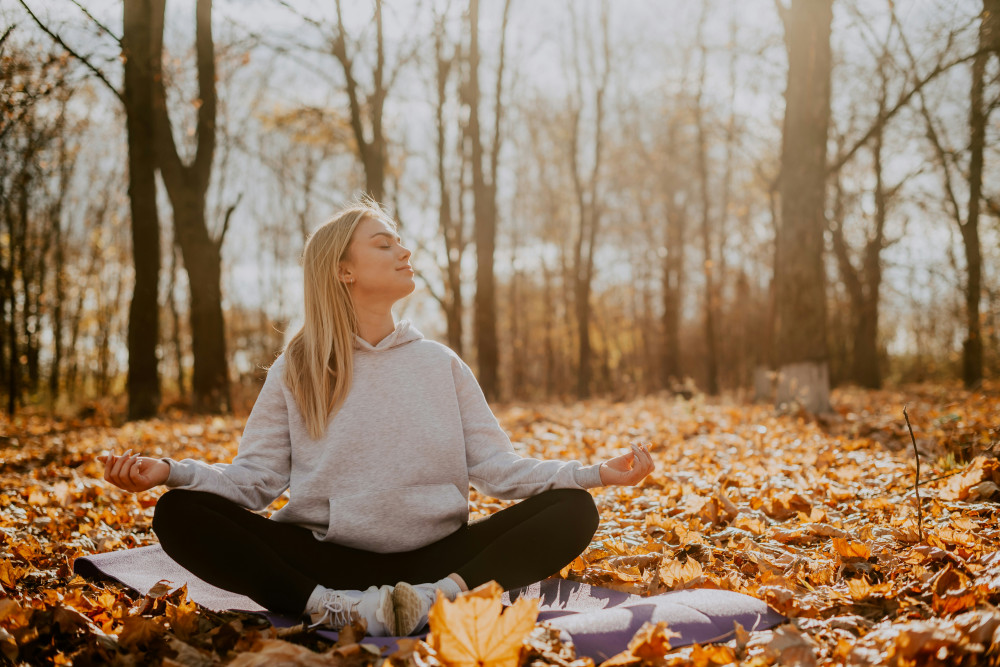
While movement is essential, rest plays an equally important role. The balance system is closely linked to the nervous system, and stress, fatigue, or lack of sleep can intensify dizziness and discomfort. When the body rests, the brain has a better chance to process sensory input and recalibrate balance.
- Sleep helps the brain integrate new movement patterns.
- Relaxation and breathing calm the nervous system and reduce tension.
- Short breaks—closing your eyes for a moment and tuning into your body—can help restore a sense of steadiness.
Finding balance, then, isn’t just about physical training; it’s also about giving your body time to recover and reset.
When Balance Changes with Age
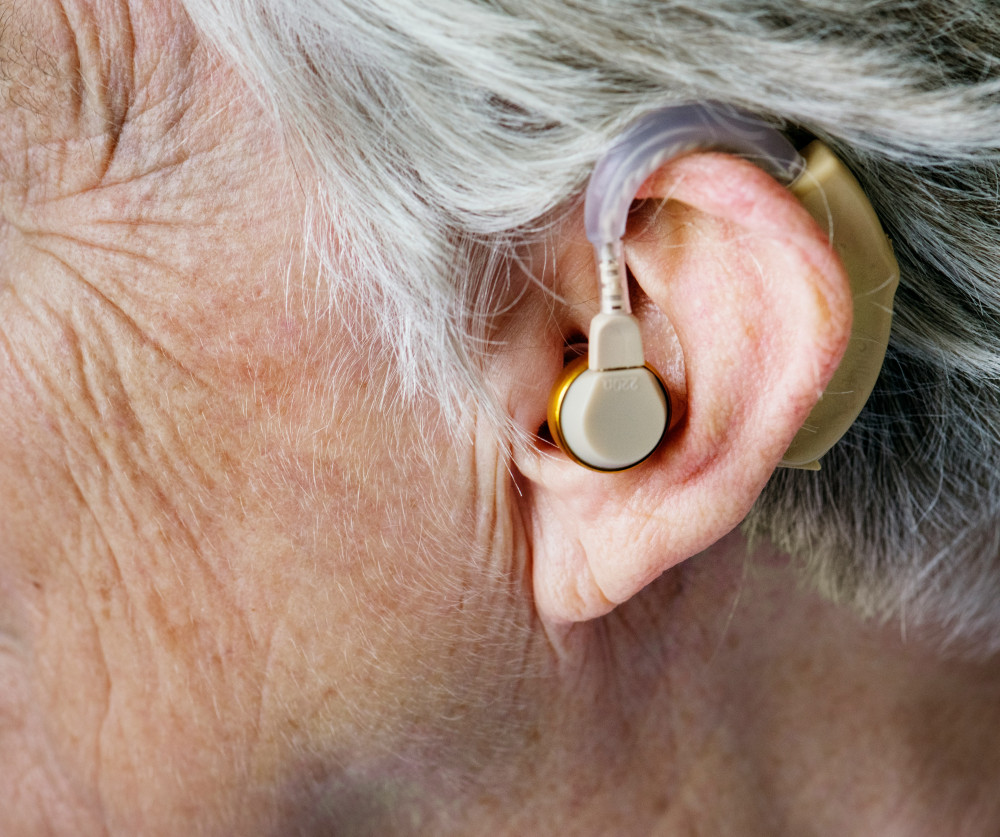
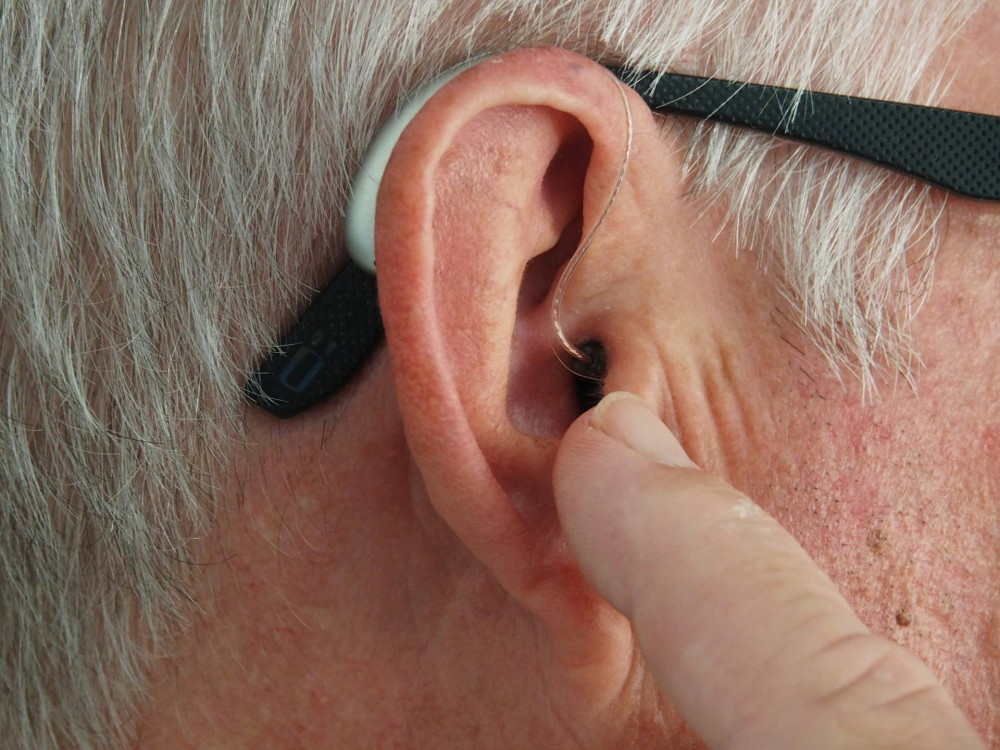
As we age, our sense of balance naturally becomes less sensitive. The sensory cells in the inner ear decline, and the signals from muscles and joints weaken. Many older adults notice dizziness or unsteadiness, especially in dim light or on uneven ground.
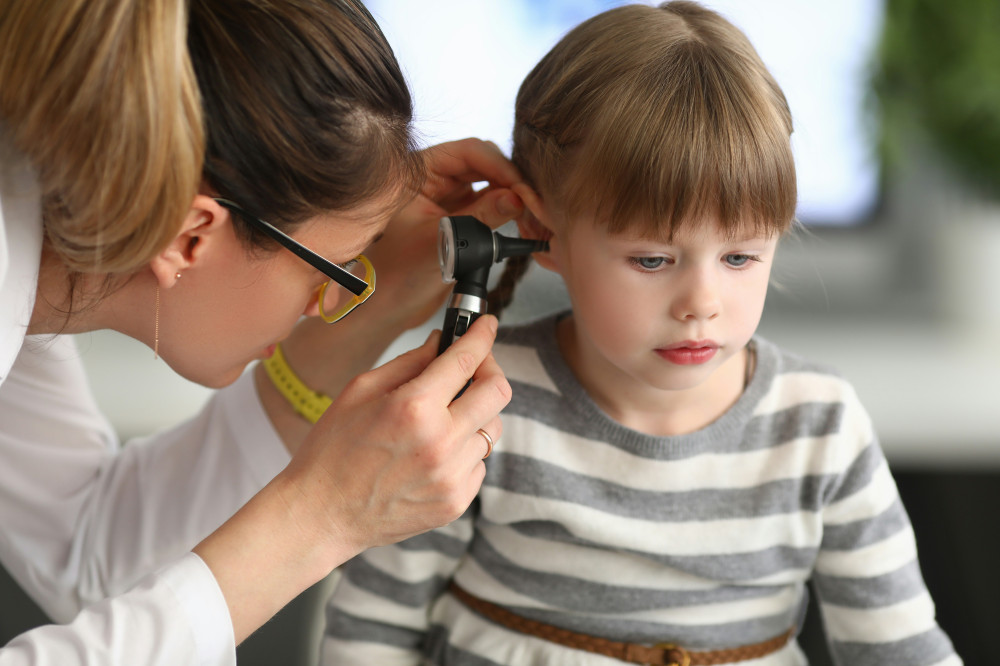
The encouraging news is that balance can be trained at any age. Regular exercise, strength training, and coordination challenges help maintain both stability and confidence. It’s also wise to have your hearing and balance checked by an ear specialist if dizziness persists.
Læs også:

A Whole-Body Approach
The balance system in the ear is deeply connected to overall well-being. Movement stimulates the senses and strengthens the brain’s coordination, while rest allows the system to recover and rebuild. The combination of activity and restoration is key—just as it is in so many aspects of health.
Caring for your balance isn’t only about preventing falls; it’s about creating harmony between movement, rest, and awareness. It’s a quiet reminder that equilibrium doesn’t just live in the ear—it’s reflected in the way we live our lives.
Læs også: