The Right Footwear for Your Job – Prevent Foot Problems Before They Start

The Right Footwear for Your Job – Prevent Foot Problems Before They Start
Your feet carry you through every workday—literally. Yet many people don’t think about their shoes until pain sets in. Whether you’re on your feet for hours, walking long distances, or sitting at a desk, the right footwear plays a crucial role in your comfort and overall health. Here’s how to choose the best shoes for your job and prevent foot problems before they start.
Know What Your Feet Need
Feet are as individual as fingerprints. Some people have high arches, others have flat feet, and some tend to roll their feet inward (pronation) or outward (supination) when walking. That’s why there’s no one-size-fits-all shoe.
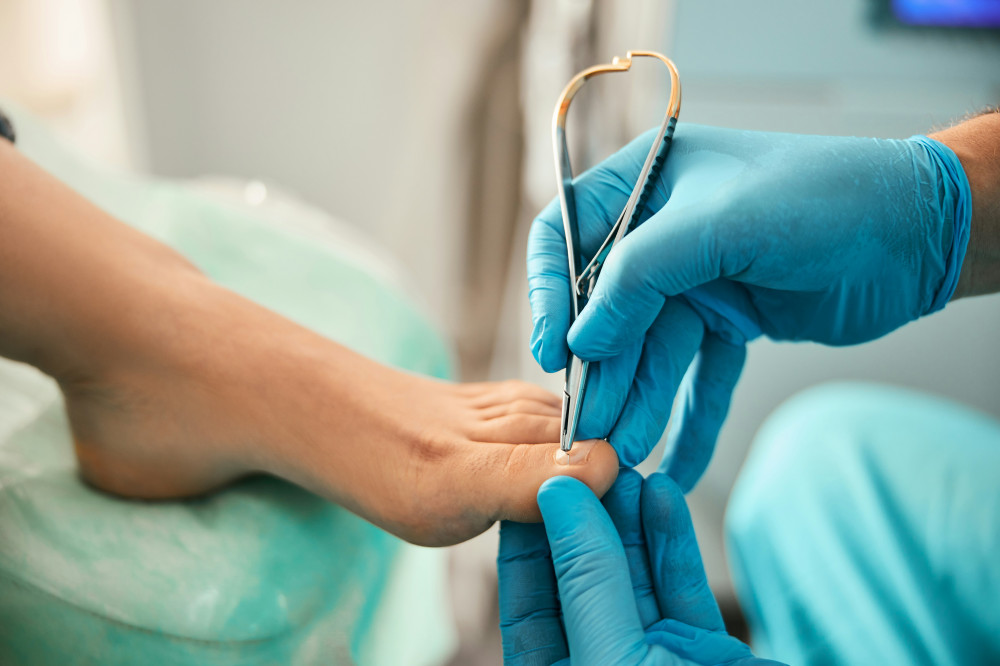
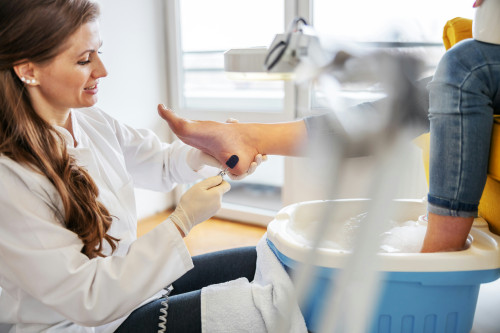
A good first step is to get a foot analysis at a podiatrist’s office or a specialty shoe store. They can measure pressure points, arch height, and gait pattern to help you find the right level of support and cushioning.
If you already experience heel, arch, or forefoot pain, it may be a sign that your shoes aren’t providing proper support. The sooner you address it, the easier it is to prevent long-term issues.
Different Jobs, Different Footwear
Your workday puts unique demands on your feet—and your shoes should match those needs.
- Jobs that require standing (e.g., retail, food service, healthcare): Cushioning and support are key. Choose shoes with shock-absorbing soles and firm arch support. Avoid completely flat shoes, which can strain your heels and lower back.
- Jobs that involve walking (e.g., delivery, warehouse, cleaning): Lightweight shoes with flexible soles and breathable materials are ideal. Make sure they fit snugly without pinching and that your heel stays stable.
- Office jobs: Even if you sit most of the day, supportive shoes matter when you move around. Skip high heels and narrow toe boxes that squeeze your toes. Opt for comfortable shoes with a low heel and a good fit.
- Outdoor or trade work: Protection and stability are essential. Choose safety shoes or boots with slip-resistant soles, but make sure they’re not too heavy. Many modern work boots are made from lighter materials that still offer great protection and ventilation.
How to Check the Fit
A shoe that feels fine in the store isn’t always the right one long-term. Keep these simple guidelines in mind:
- Leave about half an inch (roughly a thumb’s width) of space in front of your toes.
- Your heel should stay in place when you walk—no slipping.
- The arch should feel supported but not tight.
- Try shoes on at the end of the day, when your feet are slightly swollen.
- Wear the same type of socks you use at work when trying on shoes.
If you use orthotic inserts, bring them along when shopping. They can change how a shoe fits and feels.
Læs også:
Give Your Feet Breaks and Care
Even the best shoes can’t replace rest. If you stand a lot, shift your weight often and, if possible, use an anti-fatigue mat to reduce pressure on your feet and legs.
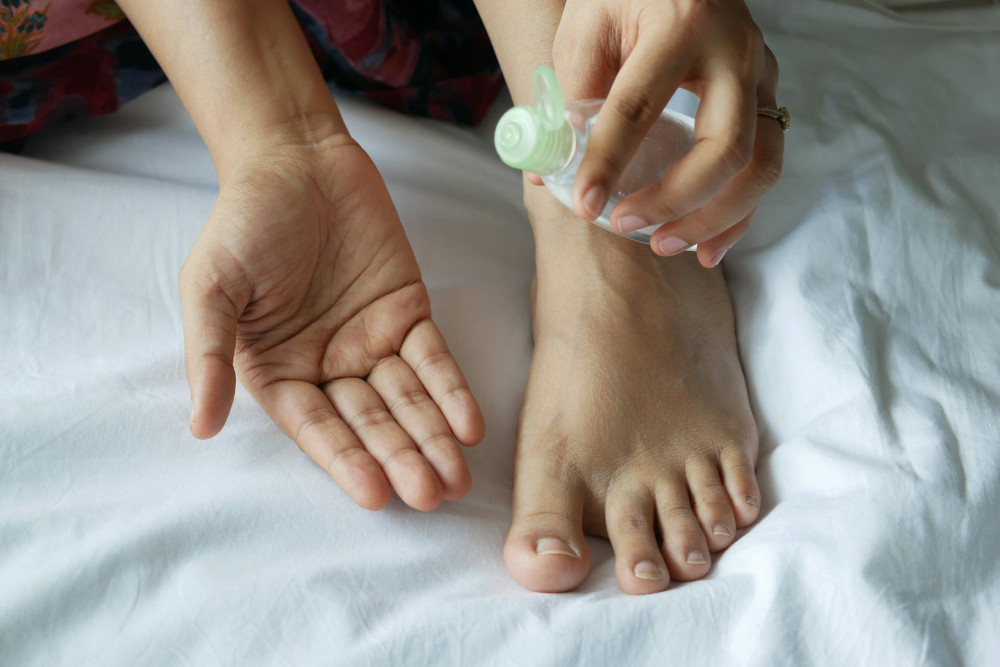
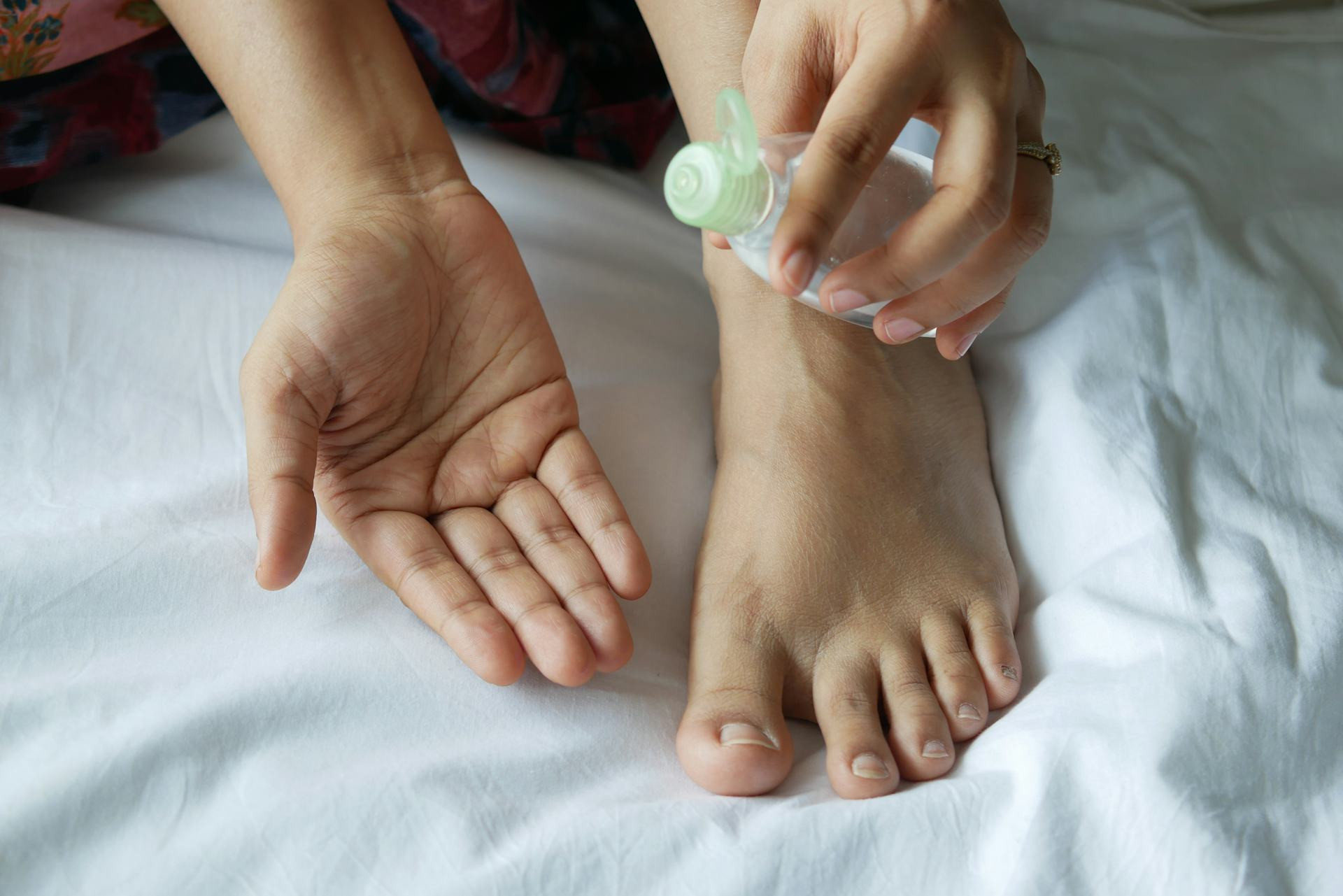
After work, give your feet some attention: roll them over a massage ball, stretch your toes and arches, and apply a moisturizing cream to keep the skin soft and prevent cracking.
A simple trick is to rotate between two pairs of work shoes. This allows each pair to dry out and maintain its shape and support longer.
When Pain Appears
Persistent pain in your feet, ankles, or calves shouldn’t be ignored. It could signal overuse, poor alignment, or early signs of conditions like plantar fasciitis or fallen arches.
A podiatrist can help identify the cause and recommend solutions—from exercises and orthotics to changes in footwear. The earlier you seek help, the easier it is to correct the problem.
Invest in Your Feet – They Carry You for Life
The right footwear isn’t just about comfort—it’s about health. Your feet influence your entire posture, from knees and hips to your back and neck. A good pair of shoes can be one of the best investments you make in your well-being.
So next time you’re shopping for work shoes, think of them as essential tools, not just accessories. Your feet will thank you—today and for years to come.
Læs også: