Cracked Heels: Causes and Effective Ways to Heal

Cracked Heels: Causes and Effective Ways to Heal
Cracked heels are a common issue that many people experience—especially during the warmer months when sandals and bare feet are more common. While they may start as a cosmetic concern, cracked heels can become painful and even lead to infection if left untreated. The good news is that with the right care, you can both heal and prevent them. Here’s a detailed look at why cracked heels occur and how to treat them effectively.
Why Do Heels Crack?
The skin on your heels is naturally thicker than on other parts of your feet because it needs to withstand pressure and friction. When that skin becomes too dry or loses its elasticity, it can no longer stretch properly, leading to cracks.
The most common causes include:
- Dry skin – often due to lack of moisture, frequent hot showers, or harsh soaps that strip natural oils.
- Pressure and friction – standing for long periods, walking barefoot, or wearing shoes with hard soles can increase stress on the heels.
- Improper footwear – open-back shoes or flip-flops provide little support and can worsen dryness and cracking.
- Aging – as we age, skin produces fewer natural oils and becomes less elastic.
- Medical conditions – diabetes, eczema, psoriasis, and thyroid issues can make the skin more prone to dryness and cracking.
Once the skin splits, bacteria can enter, increasing the risk of infection. That’s why it’s important to treat cracked heels early—even if they just look dry.
Læs også:
First Aid for Cracked Heels
If your heels are already cracked, the goal is to restore moisture and protect the area from further damage.
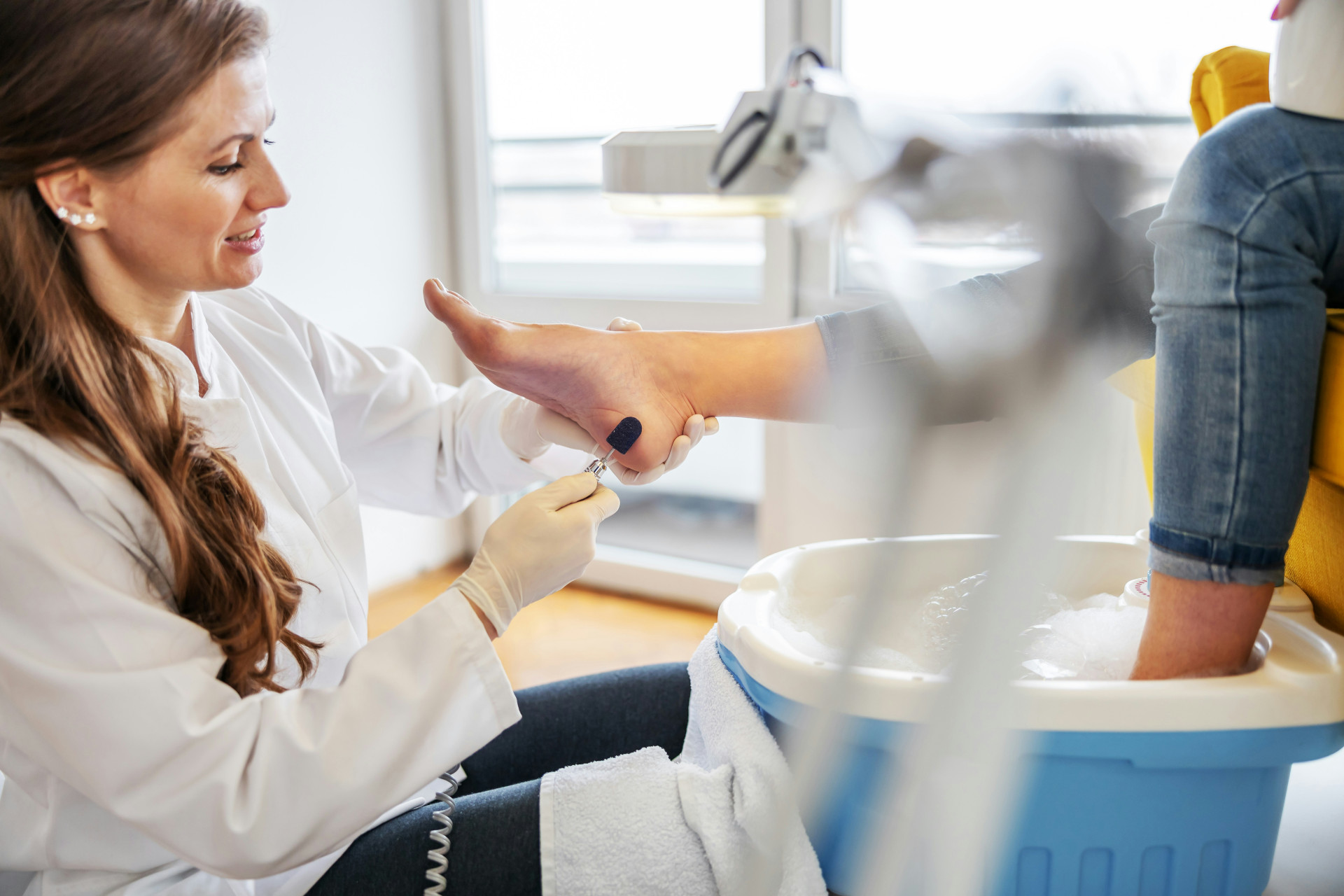
- Soak your feet – take a 10–15 minute foot bath in warm (not hot) water with a mild soap or Epsom salt. This softens the skin and makes it easier to remove dead cells.
- Gently exfoliate – use a pumice stone or foot file to remove thickened skin, but don’t overdo it. Removing too much can make the skin sore and more likely to crack again.
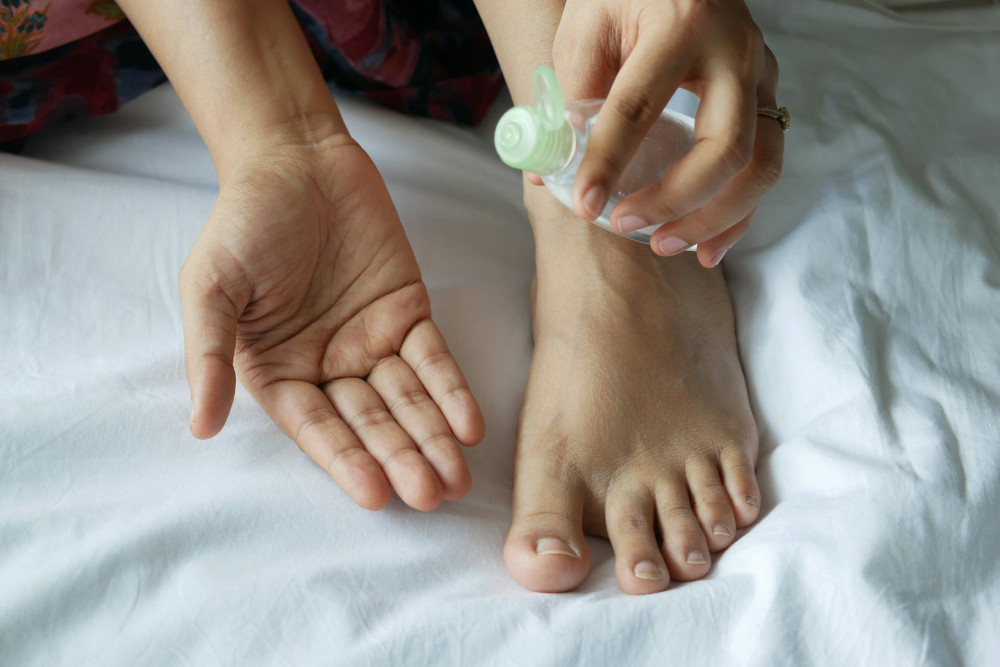
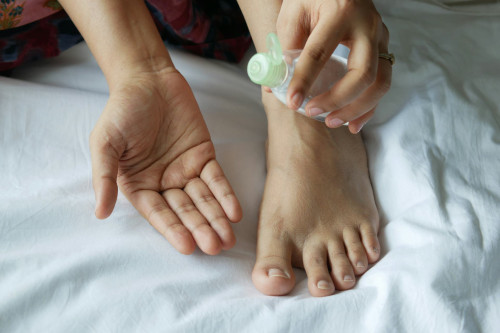
- Moisturize deeply – apply a thick foot cream or ointment containing ingredients like urea, shea butter, or glycerin. These help lock in moisture and repair the skin barrier.
- Seal and protect – for deep cracks, use a liquid bandage or heel balm designed to close fissures and promote healing.
- Wear socks overnight – after applying moisturizer, put on clean cotton socks to help the cream absorb and keep the skin hydrated.
If your heels are bleeding, painful, or showing signs of infection, it’s best to see a podiatrist or healthcare provider.
Long-Term Care and Prevention
Once your heels have healed, consistent care is key to keeping them smooth and healthy. A few simple habits can make a big difference.
- Moisturize daily – apply foot cream after showering or before bed to maintain hydration.
- Choose supportive shoes – wear closed-back shoes that cushion your heels and reduce friction.
- Avoid walking barefoot on hard surfaces – this increases pressure and dryness.
- Stay hydrated – drinking enough water helps keep your skin supple from the inside out.
- Maintain good foot hygiene – wash your feet daily, dry them thoroughly (especially between the toes), and change socks regularly.
Making foot care part of your daily routine—just like brushing your teeth—can help prevent cracked heels from returning.
When to Seek Professional Help
Most cases of cracked heels can be managed at home, but professional care may be needed if:
- The cracks are deep, bleeding, or oozing.
- You have diabetes or poor circulation.
- You notice swelling, redness, or pain around the cracks.
- The problem persists despite regular care.
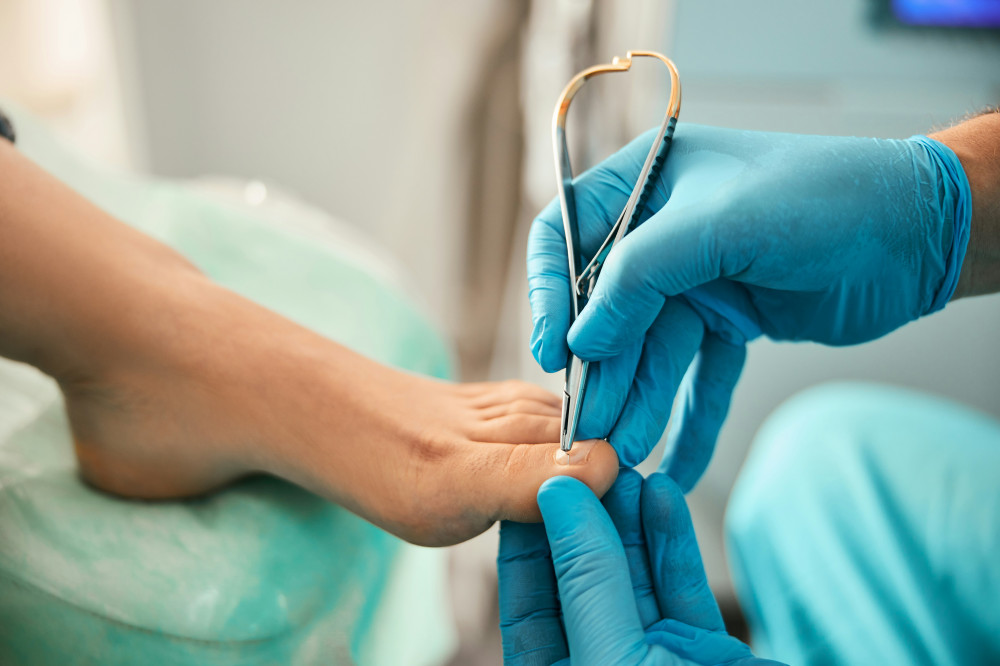
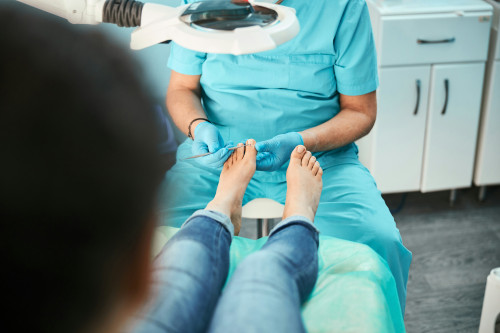
A podiatrist can safely remove thickened skin, recommend specialized treatments, and check for underlying conditions that may be contributing to the problem.
Small Steps Toward Healthy Heels
Cracked heels don’t appear overnight—and they won’t disappear instantly either. But with patience, moisture, and consistent care, you can restore soft, strong skin. Your feet carry you through life every day—give them the attention they deserve.
Læs også: