Gentle Removal of Calluses – An Important Part of Good Foot Hygiene

Gentle Removal of Calluses – An Important Part of Good Foot Hygiene
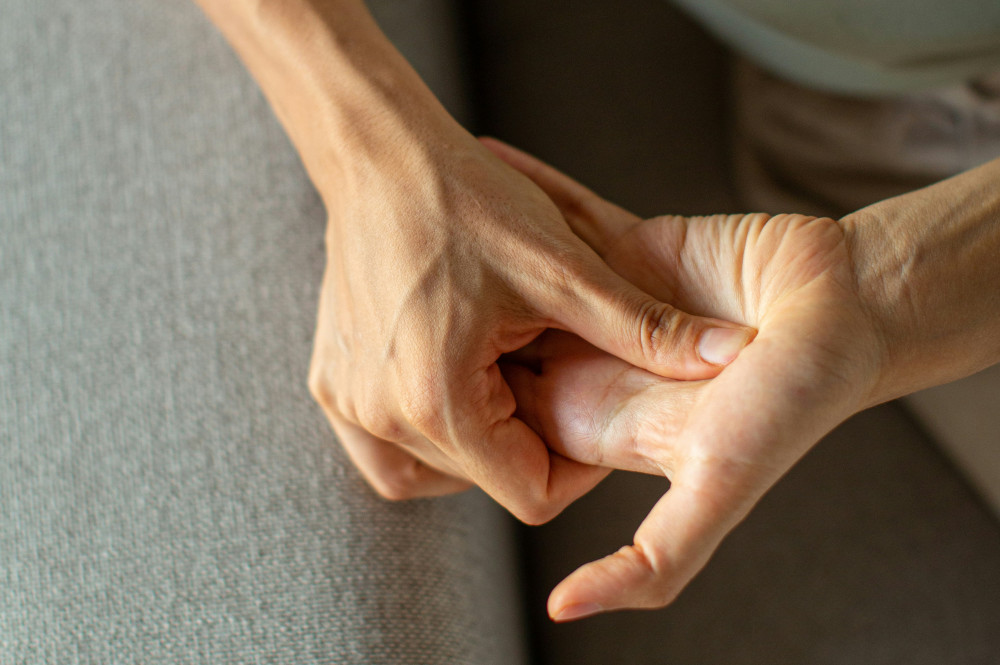
Calluses on the feet are a common condition that most people experience at some point. They form when the skin is exposed to repeated pressure or friction—typically on the heels, balls of the feet, or toes. While calluses themselves are not dangerous, they can become uncomfortable, crack, or even cause pain over time. That’s why gentle removal and prevention are key parts of good foot hygiene.
Why Do Calluses Form?
Calluses develop as the body’s natural defense against repeated stress. When the skin experiences pressure, it responds by building up extra layers of dead skin cells to protect the deeper layers. This often happens to people who walk or stand for long periods, wear shoes that don’t fit properly, or engage in activities that put pressure on certain areas of the feet.
Other factors—such as dry skin, excess weight, foot deformities, or certain medical conditions like diabetes—can also increase the risk of callus formation. For people with diabetes, special care is essential, since reduced sensation and poor circulation can make even small cracks or sores more serious.
Gentle Removal – How to Do It Safely
When it comes to removing calluses, the key is to do it gently and regularly. Overly aggressive treatment can damage the skin and lead to new problems.
-
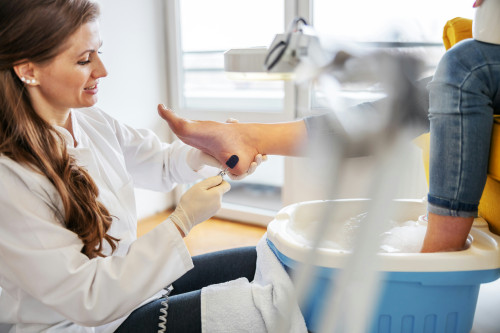
Soften the skin first Begin with a warm foot soak for 10–15 minutes. You can add a mild soap or a bit of Epsom salt to help soften the skin. This makes it easier and safer to remove the hardened areas.
-
Use a foot file or pumice stone After soaking, gently rub the callused areas in circular motions. Avoid removing too much skin at once. Electric foot files can be convenient, but use them carefully to prevent irritation.
-
Avoid sharp tools Never use knives, razor blades, or scalpels at home. These can easily cause cuts and infections, especially if you have reduced sensation or circulation problems.
-
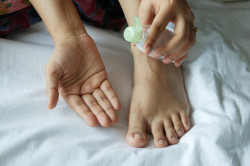
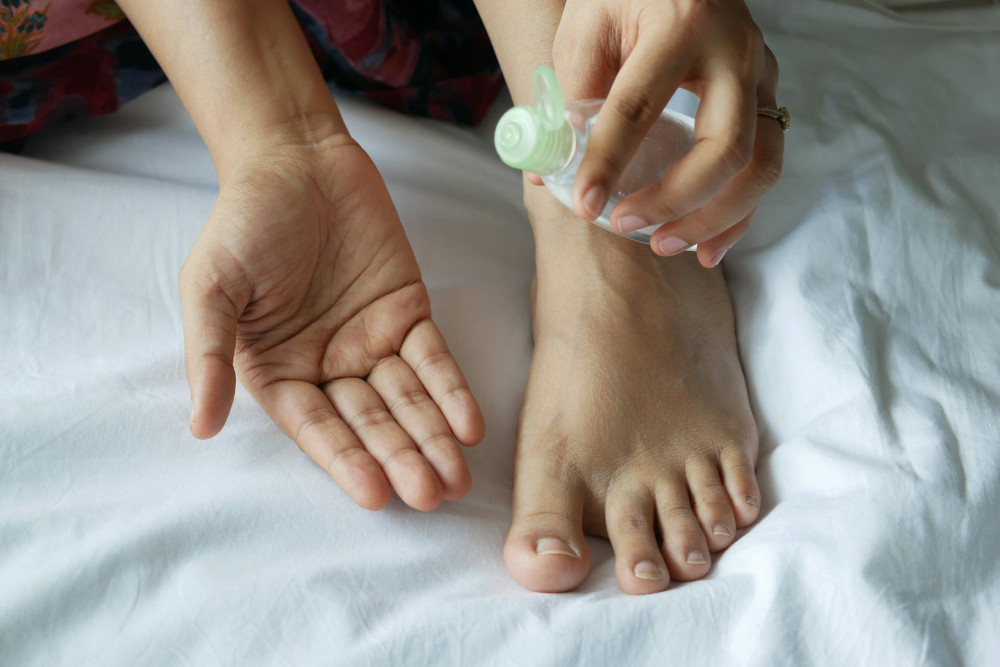
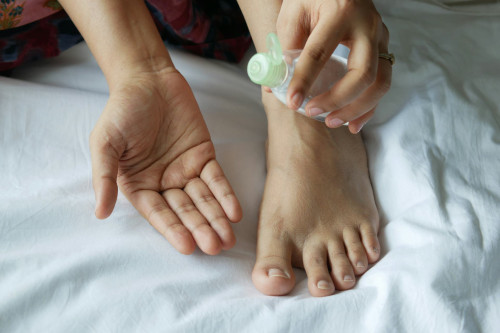
Finish with moisturizer After removing calluses, apply a rich foot cream containing urea or glycerin. These ingredients help retain moisture, keep the skin supple, and prevent new calluses from forming.
Everyday Prevention
The best way to deal with calluses is to prevent them from developing in the first place. Small daily habits can make a big difference.
- Choose well-fitting shoes – Footwear that’s too tight or loose can cause friction and pressure.
- Wear breathable socks – Cotton or moisture-wicking materials help keep feet dry and reduce irritation.
- Moisturize daily – Apply lotion after bathing, when the skin is most receptive to moisture.
- Inspect your feet regularly – Look for thickened skin, cracks, or discoloration, especially if you have diabetes.
If you have diabetes or circulation issues, it’s wise to have your feet checked regularly by a podiatrist.
Læs også:
When to Seek Professional Help
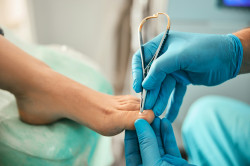
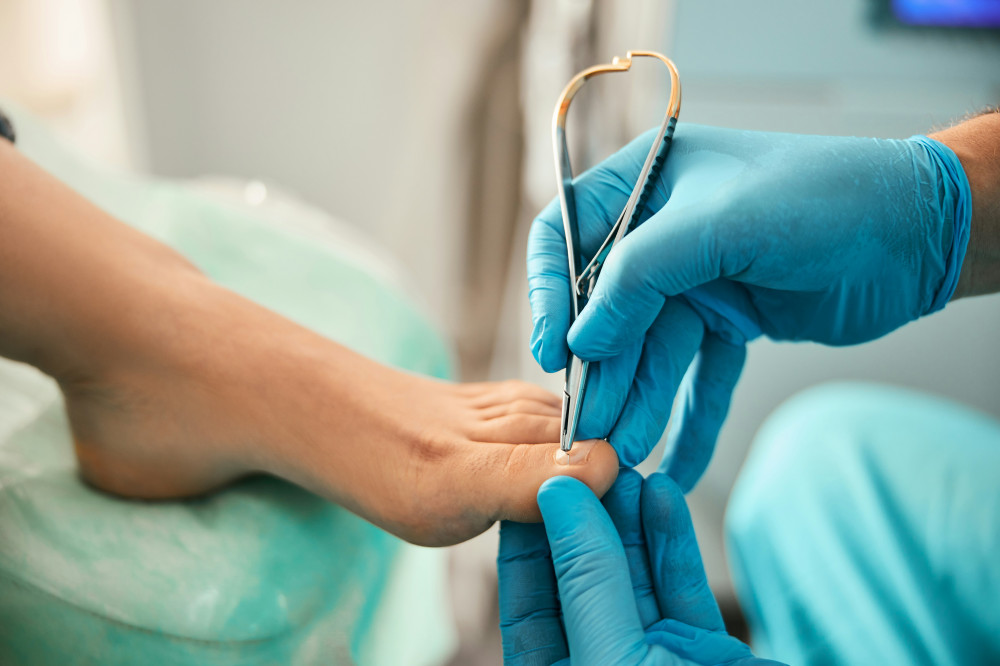
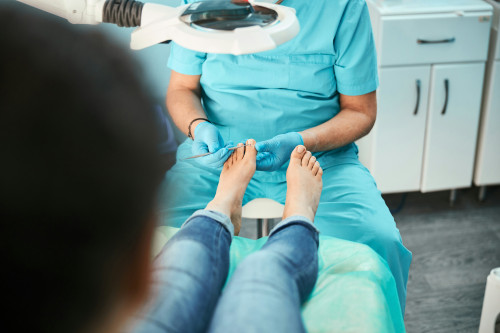
If calluses become very thick, painful, or start to crack, professional care may be needed. A licensed podiatrist can safely remove calluses and provide guidance on how to prevent them from returning.
You should also seek medical attention if you notice sores, swelling, or signs of infection. This is particularly important for people with diabetes, as even minor foot injuries can develop quickly into serious complications.
Your Feet Deserve Care
Our feet carry us through life, yet they’re often neglected in daily self-care routines. By giving them a little extra attention—through regular cleaning, moisturizing, and gentle callus removal—you can prevent discomfort and maintain healthy, well-cared-for feet.
It doesn’t take much time, but it makes a big difference in both comfort and overall well-being. Good foot hygiene starts with taking the time to care for your feet.
Læs også: