Shade and Breaks as Sun Protection: A Natural Approach to the Sun

Shade and Breaks as Sun Protection: A Natural Approach to the Sun
When summer arrives and the days grow long, many Americans head outdoors to enjoy the warmth and light. But with the sun’s rays comes the risk of sunburn and long-term skin damage. Most people think first of sunscreen as their main defense, yet there are also natural, behavior-based ways to protect your skin. One of the most effective—and often overlooked—is using shade and regular breaks as part of your sun protection routine.
The Sun: Friend and Challenge
The sun is essential to life. It helps our bodies produce vitamin D, boosts our mood, and marks the season of outdoor living. But ultraviolet (UV) rays can damage skin cells and accelerate aging if we’re exposed for too long. Good sun protection, therefore, isn’t just about products—it’s also about habits.
Understanding the sun’s rhythm is the first step. In most parts of the U.S., UV radiation peaks between 10 a.m. and 4 p.m., when the sun is highest in the sky. During these hours, even short exposure can cause burns, especially for children and people with fair skin. Planning your day to include breaks from the sun during this period can significantly reduce your risk.
Shade as Active Protection
Shade isn’t just a place to cool off—it’s an active form of sun protection. A tree, umbrella, or canopy can block a large portion of UV rays, depending on the material and the angle of the sun. This means you can still enjoy the outdoors while reducing your exposure.
When choosing shade, remember that UV rays can reflect off surfaces like sand, water, concrete, and even snow. That’s why shade works best when combined with other protective measures such as clothing, hats, and sunscreen on exposed areas. Lightweight, loose-fitting fabrics like cotton or linen can add another layer of defense without trapping heat.
Læs også:


Breaks: The Overlooked Strategy
Taking breaks from the sun isn’t only about finding shade—it’s also about giving your skin time to recover. Just as your body needs rest after physical activity, your skin benefits from intervals away from UV exposure. Alternating between sun and shade throughout the day helps lower the total UV dose your skin receives.
A good rule of thumb is to take a 15–30 minute break for every hour spent in direct sunlight. Use that time to hydrate, have lunch, or relax indoors or under a tree. These pauses not only protect your skin but also help maintain your energy levels, especially on hot, humid days.
Following Nature’s Rhythm
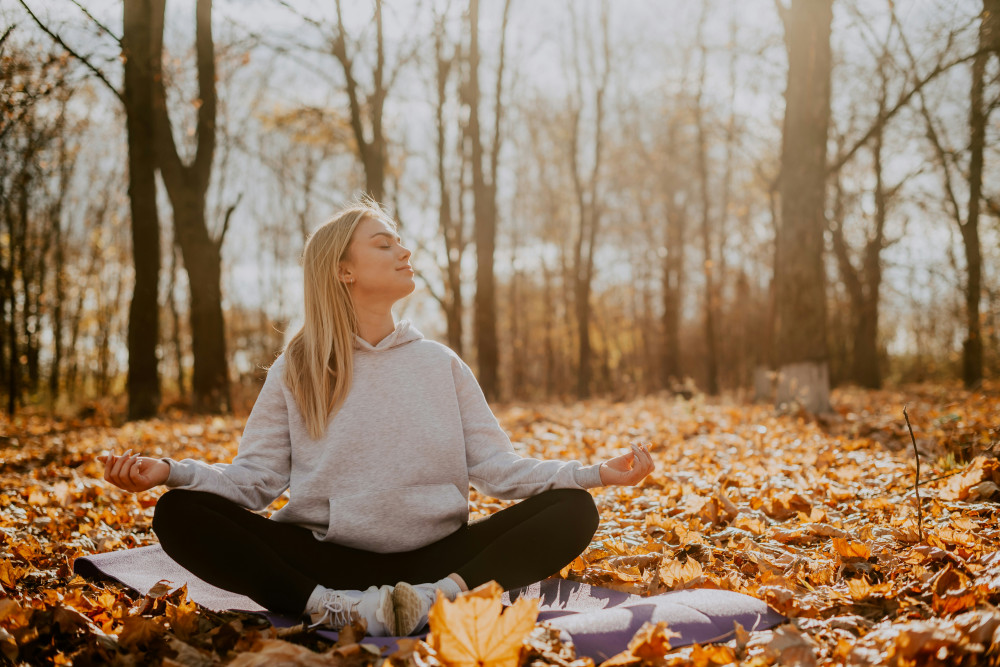
Using shade and breaks as sun protection is, at its core, about aligning with nature’s rhythm. In many warm climates, it’s common to rest during the hottest part of the day—a practice that’s both cultural and practical. While Americans may not have a tradition like the midday siesta, adopting a similar mindset can make summer activities safer and more enjoyable.
In a country where outdoor recreation is a big part of life—from backyard barbecues to beach vacations—it can feel counterintuitive to step out of the sun. But by thinking in cycles—sun, shade, rest—you can enjoy the outdoors more sustainably. It’s not about avoiding the sun, but about using it wisely.
A Holistic Approach
Sun protection works best as a combination of strategies: shade, clothing, sunscreen, and breaks. No single method is perfect on its own, but together they provide strong, natural protection. For children, older adults, and those with sensitive skin, this layered approach is especially important.
By making shade and breaks a natural part of your summer routine, you can enjoy the season’s warmth without compromising your skin’s health. It takes only a bit of planning and awareness, but the reward is well worth it—a healthier complexion and a more relaxed way to embrace the sun.
Læs også: