Find peace and balance after a hectic day


Find peace and balance after a hectic day
When your day has been packed with meetings, deadlines, traffic, and constant notifications, it can be hard to unwind once you finally get home. Your body might be tired, but your mind is still racing. Finding balance after a hectic day isn’t just about resting physically—it’s also about giving your mind space to slow down. Here are some simple ways to create small rituals that help you recharge and find peace before a new day begins.
Create a smooth transition from work to personal time
For many Americans, the line between work and personal life has blurred—especially with remote and hybrid work. That’s why it’s important to create a clear transition that signals the end of your workday.
- Shut down your computer completely and silence notifications for a while. This tells your brain that work is done.
- Change your clothes to mark the shift from “work mode” to “home mode.”
- Step outside for a short walk, even just 10 minutes. Fresh air and movement help release tension and reset your energy.
These small actions may seem simple, but they can make a big difference in how you experience the rest of your evening.
Make your home a calming space
Your home should feel like a place where you can breathe freely. You don’t need a full makeover to create a more peaceful atmosphere—small touches can go a long way.
- Dim the lights or use warm-toned lamps to create a cozy glow.
- Open a window to let in fresh air and clear your mind.
- Tidy up one area—a clutter-free space helps calm your thoughts.
- Add natural elements like plants, flowers, or wooden textures to bring a sense of balance.
When your surroundings feel calm, your body and mind naturally follow.
Use your body to find calm
The body and mind are deeply connected. When you relax your body, your thoughts often slow down too. You don’t need a full workout—just a few mindful movements can make a difference.
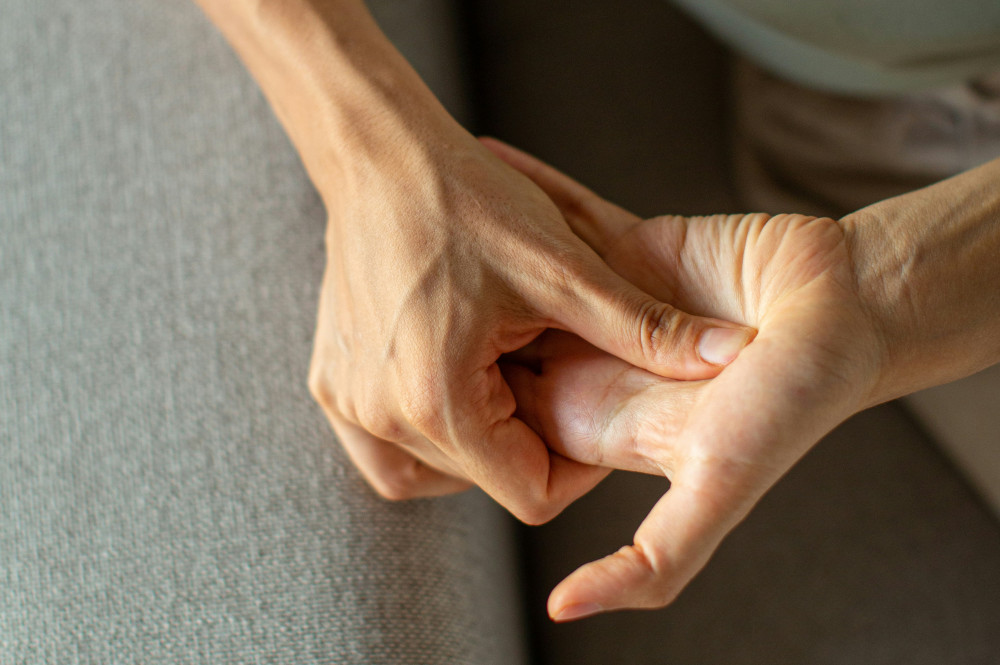
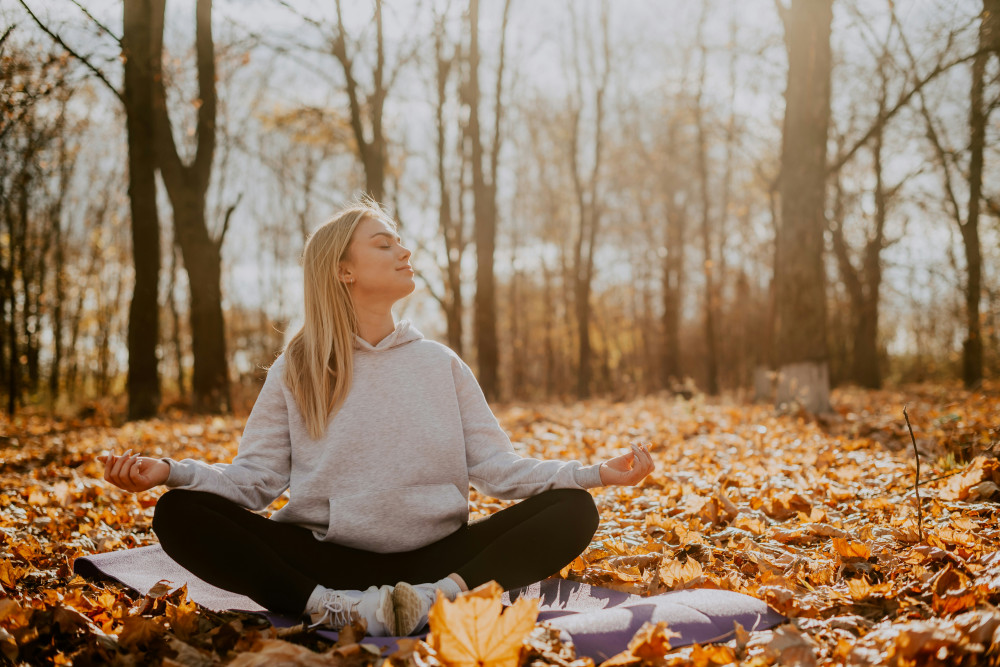
- Take deep breaths—try five slow, steady breaths, focusing on releasing tension in your shoulders and jaw.
- Stretch gently, especially your neck, back, and hips, which often hold stress.
- Take a warm shower or bath to soothe your muscles and signal to your body that it’s time to unwind.
If you struggle to relax, try a short guided meditation or listen to calming sounds like ocean waves or rain.
Give your mind a break
Peace isn’t only about silence—it’s also about giving your thoughts a place to rest. Many people find that their minds start racing as soon as they stop working. Simple mental routines can help.
- Write down your thoughts—whether it’s worries, to-do lists, or ideas. Seeing them on paper helps clear mental space.
- Do something creative—cook, paint, garden, or play music. The goal isn’t perfection, but presence.
- Listen to soothing music or a relaxing podcast, but avoid news or content that stirs up stress.
Giving your mind a gentle focus helps you let go of the day’s pace and ease into a calmer rhythm.
Læs også:




Build an evening routine that supports good sleep
A restful night’s sleep is essential for balance, but it rarely happens if you go straight from screens to bed. A consistent evening routine can make all the difference.
- Turn off screens at least 30 minutes before bed.
- Make a cup of herbal tea or warm milk to signal relaxation.
- Read a book or reflect on three things you’re grateful for from the day.
Repeating the same calming actions each night teaches your body that it’s time to rest.
Find your own path to balance
There’s no single formula for peace—it’s about discovering what works for you. For some, it’s exercise; for others, it’s quiet time, music, or connecting with loved ones. The key is to give yourself permission to slow down and listen to what you need.
Finding peace and balance after a hectic day isn’t a luxury—it’s a necessity for maintaining energy, focus, and joy in a busy life.
Læs også: