Lazy Eye in Children: Treatment and Follow-Up of Amblyopia
Lazy Eye in Children: Treatment and Follow-Up of Amblyopia
A lazy eye – medically known as amblyopia – is one of the most common causes of reduced vision in children. It occurs when the brain and one eye do not work together properly, causing the brain to favor the stronger eye. If amblyopia is not detected and treated early, it can lead to permanent vision loss. Fortunately, with timely diagnosis and consistent treatment, most children can achieve significant improvement. Here’s an overview of how amblyopia is treated and why follow-up care is essential.
What Is Amblyopia?
Amblyopia means that vision in one eye is weaker, even though the eye itself appears healthy. The problem lies in how the brain processes visual information. When the brain receives a blurry or distorted image from one eye for an extended period, it begins to ignore that eye’s input, and normal visual development is disrupted.
Several factors can cause amblyopia:
- Strabismus (eye misalignment) – the brain suppresses the image from the misaligned eye to avoid double vision.
- Unequal refractive error (anisometropia) – one eye may be more nearsighted, farsighted, or have astigmatism, while the other sees clearly.
- Visual obstruction – conditions such as congenital cataract or drooping eyelid (ptosis) can block vision in one eye.
Amblyopia typically develops in early childhood, when the visual system is still maturing. The earlier the condition is identified, the better the chances of restoring normal vision.
Signs of Lazy Eye in Children
Amblyopia can be difficult for parents to notice because the child often sees well with the stronger eye. However, some signs may raise concern:
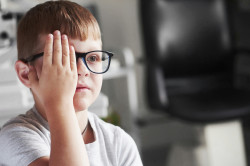
- The child squints, tilts, or turns their head to see clearly.
- They appear clumsy, bump into objects, or have trouble catching a ball.
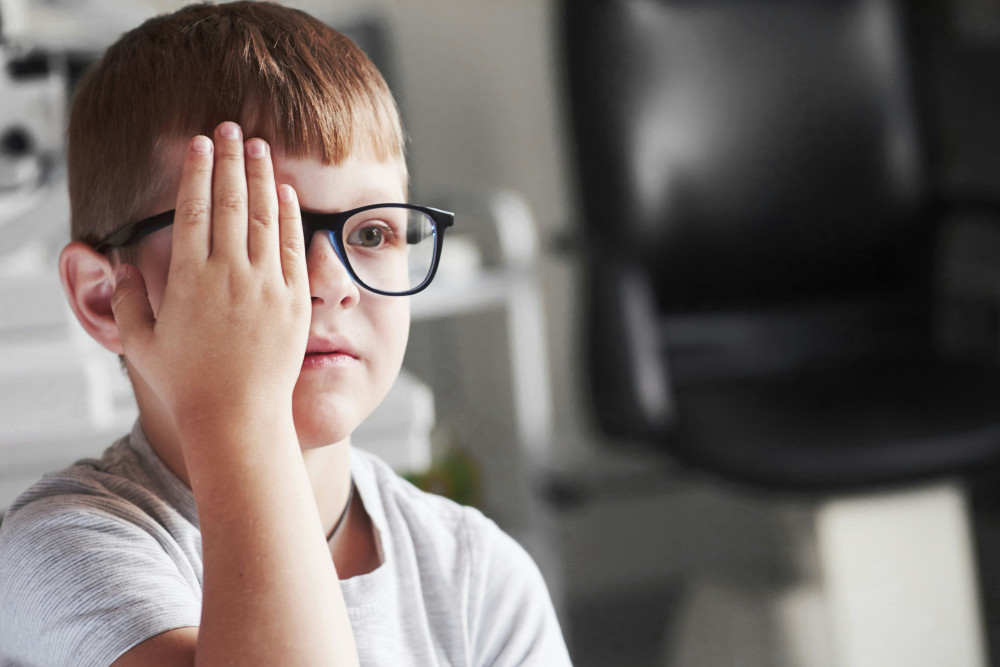
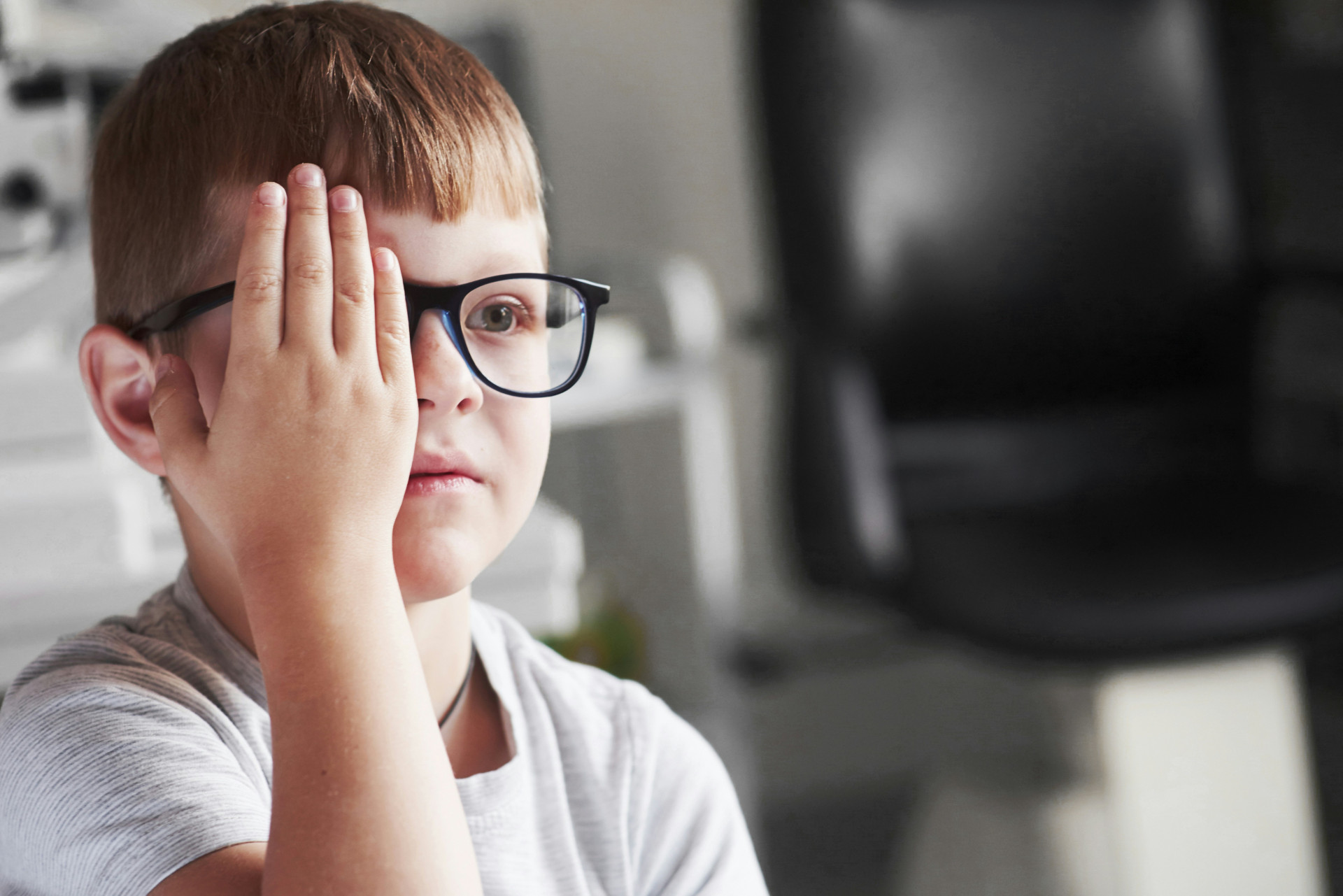
- They cover or close one eye when focusing.
- They complain of headaches or eye strain when reading or doing close work.
In the United States, vision screening is routinely performed during well-child visits and at school to help detect amblyopia and other vision problems early.
Treatment: Training the Brain to Use Both Eyes
The goal of amblyopia treatment is to encourage the brain to use the weaker eye again. This process takes time, patience, and teamwork between the child, parents, and eye care professionals.
1. Correcting Vision Problems
The first step is to correct any refractive errors with glasses. Many children show improvement once they start wearing the proper prescription, as the brain begins to receive a clearer image from the weaker eye.
2. Patching the Stronger Eye
The most common treatment is occlusion therapy, where the stronger eye is covered with a patch for several hours each day. This forces the brain to rely on the weaker eye. The duration of treatment varies depending on the child’s age and the severity of amblyopia, ranging from weeks to several months.
Wearing a patch can be challenging for young children, but positive reinforcement helps. Parents can use reward charts, stickers, or fun activities during patching time to keep the child motivated.
3. Alternative and Supplemental Methods
In some cases, atropine eye drops are used in the stronger eye to temporarily blur vision, encouraging use of the weaker eye. Digital vision therapy programs and interactive games are also being developed to make visual training more engaging for children.
If amblyopia is caused by strabismus or cataract, surgery may be needed to correct the underlying issue before vision therapy begins.
Follow-Up and Maintenance
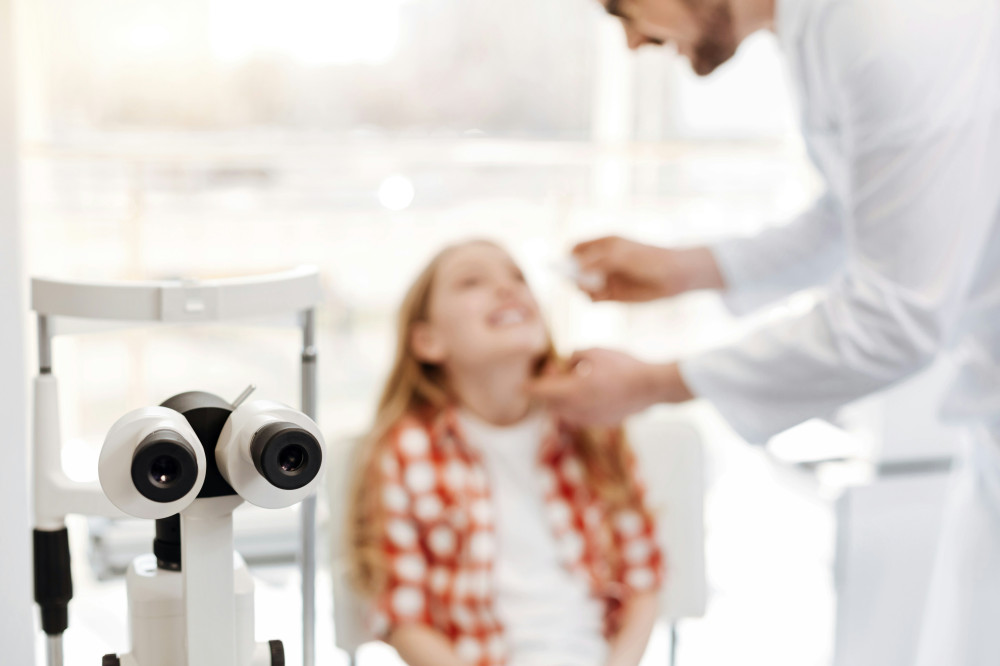
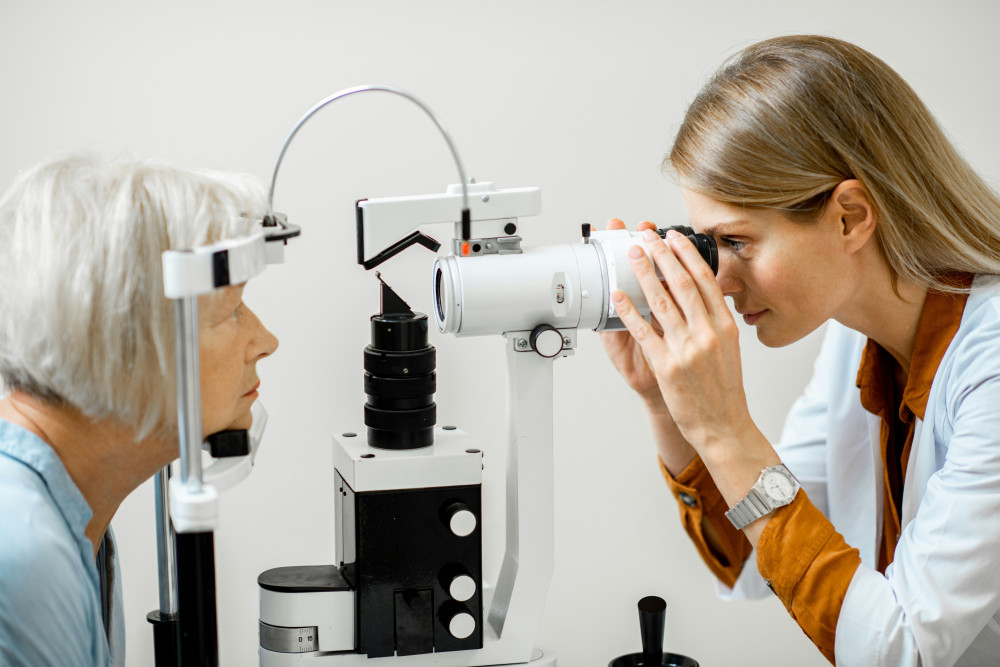
Treating amblyopia requires regular follow-up visits. The eye doctor monitors progress, adjusts treatment as needed, and ensures that vision continues to improve. Even after successful treatment, follow-up is important because amblyopia can recur if the brain starts favoring the stronger eye again.
Parents play a key role in this process. It’s essential to make sure the child wears their glasses and patch as prescribed and to report any discomfort or frustration to the eye doctor so the plan can be adjusted.
How Long Can Treatment Be Effective?
The younger the child, the better the outcome. Treatment is most effective when started before age 7 or 8, while the visual system is still developing. Older children and teenagers can still benefit, but improvement may be slower and less complete.
Early detection through routine vision screening by pediatricians, school nurses, or eye specialists is crucial to prevent long-term vision loss.
Læs også:
A Clearer Future
A lazy eye may seem like a minor issue, but if left untreated, it can have lasting effects on a child’s vision and daily life. With early diagnosis, consistent treatment, and supportive follow-up, most children can achieve normal or near-normal vision.
Helping a child overcome amblyopia is an investment in their future—ensuring they can see clearly, learn confidently, and experience the world with both eyes wide open.
Læs også: