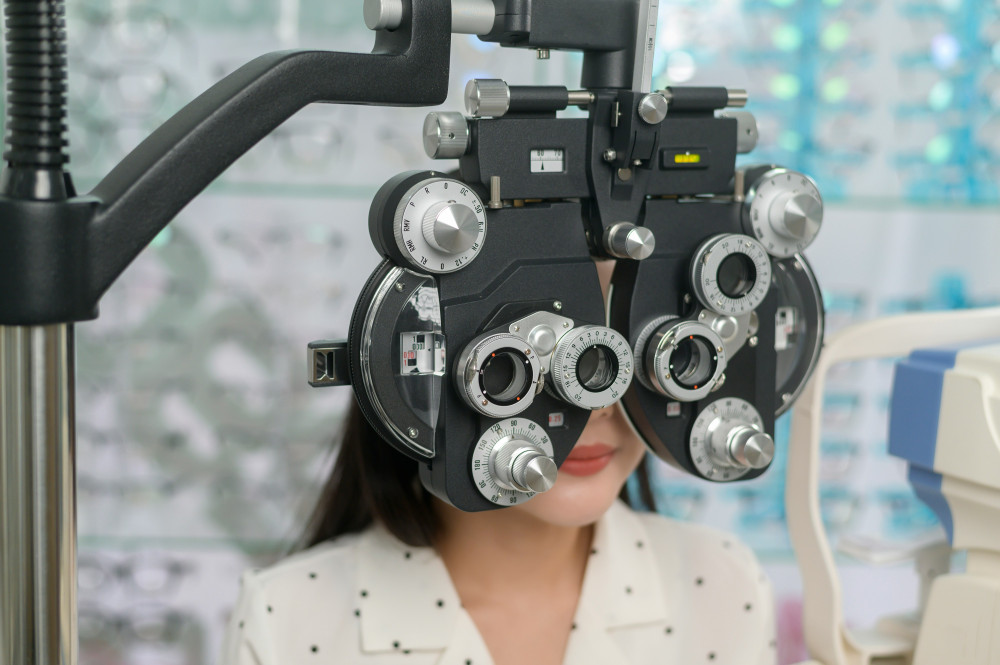
Eye Exams and Screen Work – When Should You Get Your Vision Checked?

Protect your eyes and maintain clear vision in the digital age
Eyes
Eyes
7 min
Spending hours in front of screens can strain your eyes and affect your well-being. Learn how often you should schedule an eye exam, recognize early signs of vision problems, and discover simple habits to keep your eyes healthy at work and beyond.
Elias Carter
Elias
Carter

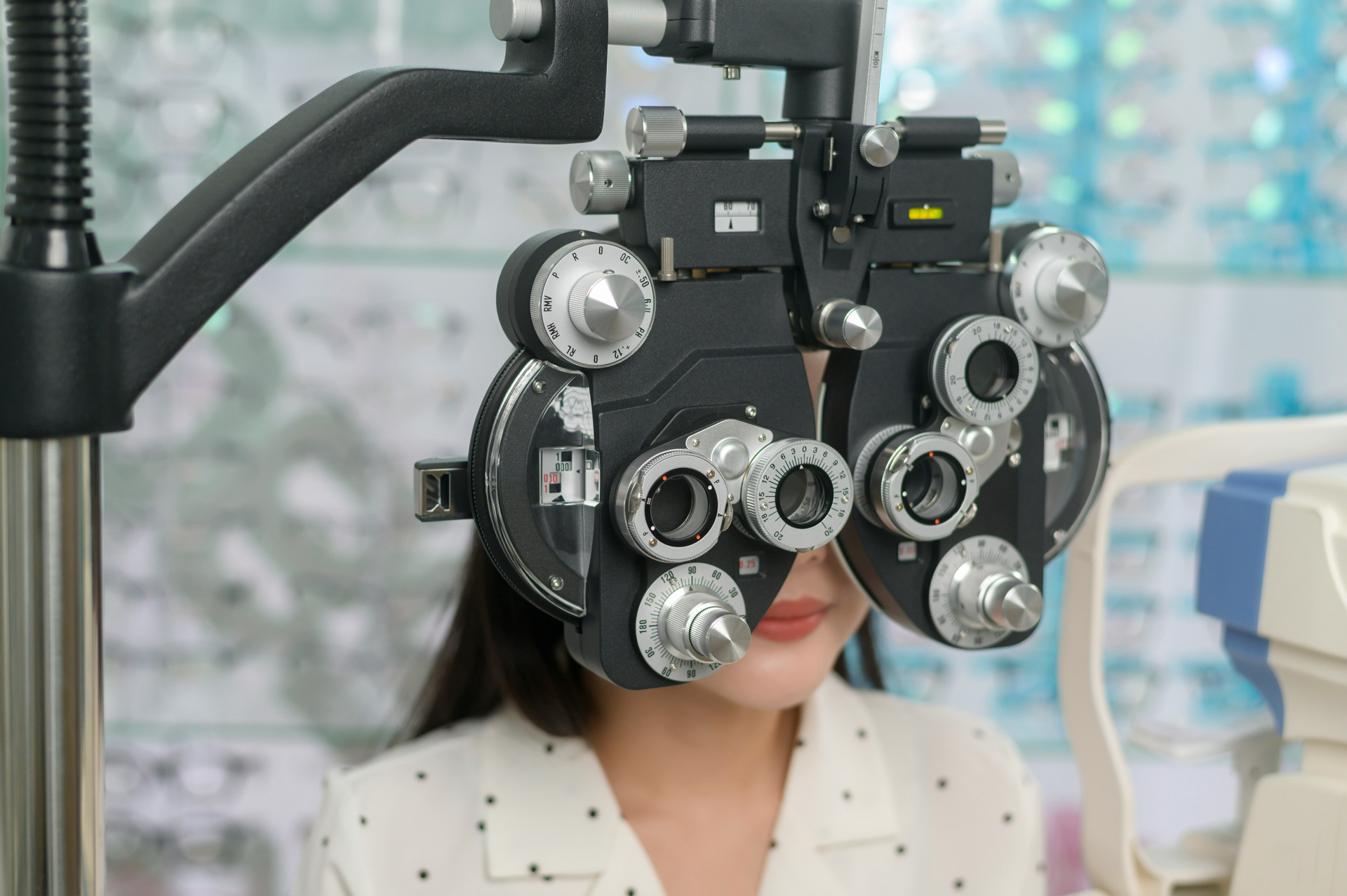
Eye Exams and Screen Work – When Should You Get Your Vision Checked?

Protect your eyes and maintain clear vision in the digital age
Eyes
Eyes
7 min
Spending hours in front of screens can strain your eyes and affect your well-being. Learn how often you should schedule an eye exam, recognize early signs of vision problems, and discover simple habits to keep your eyes healthy at work and beyond.
Elias Carter
Elias
Carter

Many of us spend most of our day in front of screens—at work, at home, and even before bed. Our eyes are constantly working to focus, and even minor vision issues can lead to fatigue, headaches, and reduced concentration. But when is it time to get your eyes checked? And how can you protect your vision in a world dominated by digital devices?

How Screen Time Affects Your Eyes

When you work at a computer, your eyes focus at a fixed distance for long periods. The tiny muscles that control your eye’s lens are under continuous strain, and you blink less often—sometimes only half as much as usual. This can cause dryness, irritation, and a feeling of tired eyes by the end of the day.

Common symptoms of digital eye strain include:

  • Blurry vision, especially later in the day
  • Headaches or pressure behind the eyes
  • Difficulty refocusing between screen and paper
  • Dryness, burning, or redness in the eyes

If you notice any of these signs, it may be time for an eye exam.

How Often Should You Get an Eye Exam?

In the United States, the American Optometric Association (AOA) recommends that adults have a comprehensive eye exam at least every two years. However, if you spend many hours in front of a screen, wear glasses or contact lenses, or notice changes in your vision, you should schedule an exam once a year.

Certain groups should be especially attentive:

  • Adults over 40: Vision changes more rapidly, and the risk of age-related eye diseases such as glaucoma and cataracts increases.
  • Children and teens: Regular eye exams are important for learning and development, as vision problems can affect reading and concentration.
  • People with diabetes: Should have a dilated eye exam at least once a year, since diabetes can damage the retina.

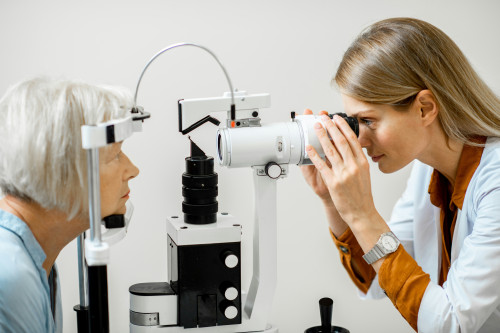
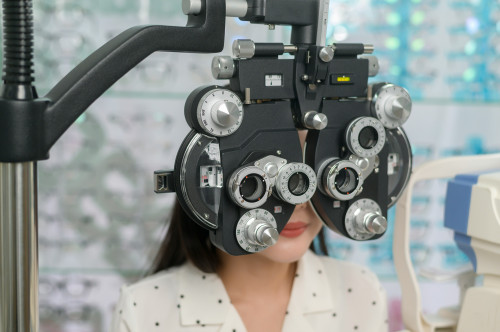
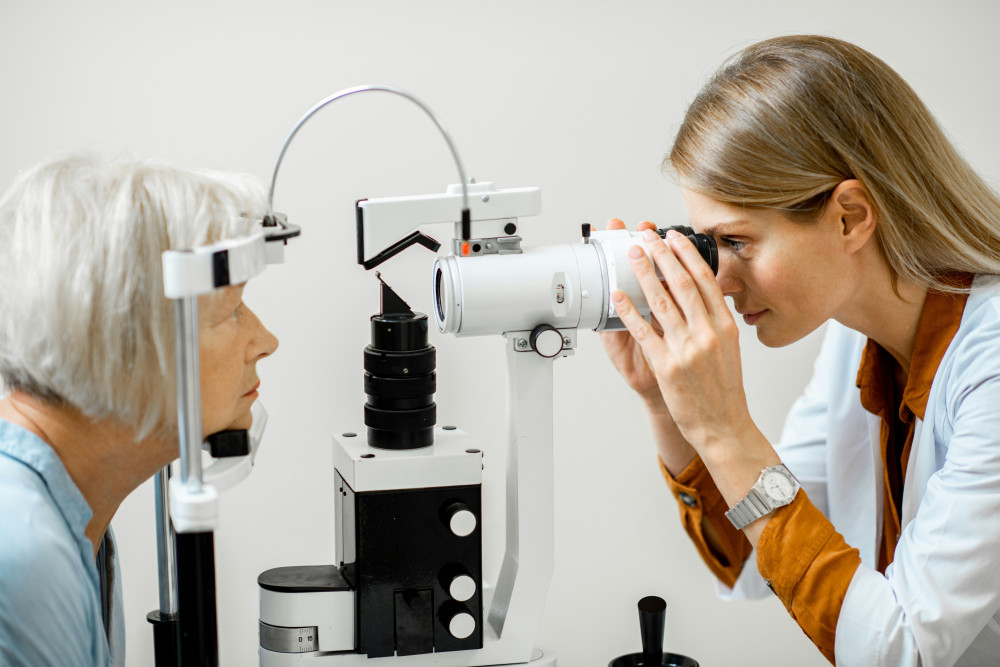
A typical eye exam takes about 20–30 minutes and can detect not only vision changes but also early signs of eye disease.

Workplace Vision and Computer Glasses

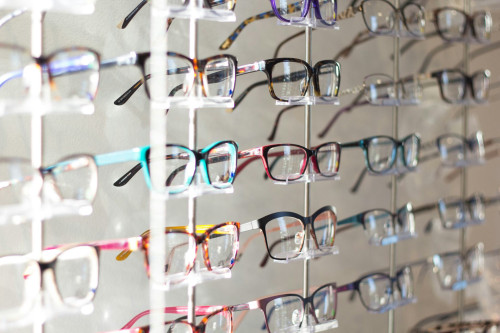
If you work extensively at a computer, your employer may offer vision benefits through insurance or a workplace wellness program. Some companies even provide coverage for computer or “blue light” glasses designed to reduce eye strain.

Computer glasses are optimized for the distance between your eyes and your screen—usually 20–28 inches. They can make a big difference in comfort and productivity, especially if you experience fatigue or headaches during the workday.

Healthy Habits for Your Eyes

While regular eye exams are essential, you can also take simple steps to reduce eye strain in your daily routine.

  • Follow the 20-20-20 rule: Every 20 minutes, look at something 20 feet away for 20 seconds. It gives your eyes a much-needed break.
  • Adjust your lighting: Avoid glare on your screen and use soft, indirect light.
  • Position your screen correctly: The top of your monitor should be at or slightly below eye level.
  • Blink consciously: It helps keep your eyes moist and comfortable.
  • Stay hydrated and use artificial tears if needed: Especially in air-conditioned or heated environments.

Small adjustments to your workspace and habits can make a big difference in how your eyes feel throughout the day.

Don’t Ignore Changes in Your Vision

Vision changes often happen gradually. You might find yourself squinting, moving your screen closer, or taking more breaks without realizing why. Even subtle changes can signal that your vision has shifted—and that it’s time for an exam.

Getting your eyes checked isn’t just about updating your prescription; it’s about maintaining lifelong eye health. Your eyes are delicate, and early detection of problems can prevent permanent damage.

Keeping a Clear View of Life

In a world where screens are everywhere, taking care of your eyes has never been more important. A simple eye exam can bring peace of mind, prevent discomfort, and ensure you see clearly—at work, at home, and everywhere in between.

So next time your eyes feel tired after a long day at the computer, consider scheduling an eye exam. Your eyes will thank you.

The Ophthalmologist as the Hidden Link to Overall Health
Discover how your eye doctor can uncover hidden signs of disease beyond vision problems
Eyes
Eyes
Ophthalmology
Eye Health
Preventive Medicine
Medical Technology
Overall Health
5 min
The eyes reveal more than just how well we see—they can also reflect the state of our overall health. Learn how ophthalmologists detect early indicators of systemic conditions, collaborate with other specialists, and use new technologies to protect both vision and general well-being.
Oliver Carrillo
Oliver
Carrillo
Eye Exams and Screen Work – When Should You Get Your Vision Checked?
Protect your eyes and maintain clear vision in the digital age
Eyes
Eyes
Eye Health
Vision Care
Screen Time
Workplace Wellness
Eye Exams
7 min
Spending hours in front of screens can strain your eyes and affect your well-being. Learn how often you should schedule an eye exam, recognize early signs of vision problems, and discover simple habits to keep your eyes healthy at work and beyond.
Elias Carter
Elias
Carter
Lazy Eye in Children: Treatment and Follow-Up of Amblyopia
Early detection and consistent care can make a lasting difference in your child’s vision
Eyes
Eyes
Amblyopia
Lazy Eye
Children’s Eye Health
Vision Treatment
Pediatric Ophthalmology
4 min
Learn how amblyopia, or lazy eye, develops in children and why timely treatment and regular follow-up are key to restoring healthy vision. Discover the most effective therapies and what parents can do to support their child’s progress.
Phoenix Martinez
Phoenix
Martinez
A Mental Breather in an Overstimulated Everyday Life
Discover how small moments of stillness can restore balance in a world that never stops
Wellbeing
Wellbeing
Mental Health
Mindfulness
Digital Detox
Wellbeing
Stress Management
5 min
In an age of constant stimulation and digital noise, our minds rarely get the rest they need. This article explores practical ways to create mental breathers—simple pauses that help you reset, recharge, and find calm amid everyday chaos.
Harper Vasquez
Harper
Vasquez
Sleep Deprivation and Mood: When Imbalance Strikes
How lack of sleep disrupts emotional balance and mental well-being
Wellbeing
Wellbeing
Sleep
Mental Health
Well-Being
Stress
Lifestyle
5 min
Discover how sleep deprivation affects your mood, focus, and emotional health. Learn why consistent rest is vital for mental stability and explore practical ways to restore balance when sleeplessness takes hold.
Ruby Reyes
Ruby
Reyes
Vitamins and Minerals – Essential Nutrients for a Healthy Immune System
Discover how key vitamins and minerals help your body stay strong and resilient
Wellbeing
Wellbeing
Immune System
Nutrition
Vitamins
Minerals
Healthy Living
5 min
Learn how essential nutrients like vitamins and minerals support your immune system and overall health. This article explains which micronutrients matter most, how to get them from your diet, and why balance is the key to lasting wellness.
Oliver Carrillo
Oliver
Carrillo
Small Daily Rituals That Build Structure and Create a Sense of Security
Discover how simple daily habits can bring calm, focus, and a sense of stability to your everyday life
Wellbeing
Wellbeing
Mindfulness
Daily Habits
Wellbeing
Self-Care
Life Balance
3 min
In a world that often feels rushed and unpredictable, small daily rituals can help you regain balance and peace of mind. Learn how intentional routines—morning, evening, and in between—can create structure, strengthen connection, and nurture a lasting sense of security.
Elias Carter
Elias
Carter
Mindfulness on the Go: Simple Exercises for a Busy Life
Discover how to bring calm and clarity into your day—anytime, anywhere
Wellbeing
Wellbeing
Mindfulness
Stress Relief
Mental Health
Wellbeing
Self-Care
7 min
Learn simple mindfulness techniques that fit seamlessly into a busy lifestyle. From mindful breathing to turning daily routines into moments of presence, these easy exercises help you stay centered and reduce stress throughout your day.
Phoenix Martinez
Phoenix
Martinez