Green Glasses: How to Make Sustainability Part of Eye Care


Green Glasses: How to Make Sustainability Part of Eye Care
Sustainability is no longer just about what we eat or how we travel—it’s also about how we see the world, quite literally. As American consumers become more conscious of their environmental impact, the eye care industry is beginning to focus on greener solutions. From recycled eyeglass frames to eco-friendly contact lens packaging and energy-efficient clinics, sustainability and eye health are increasingly going hand in hand.
Eyewear with a Purpose
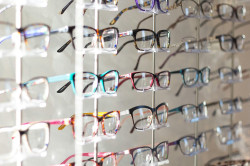
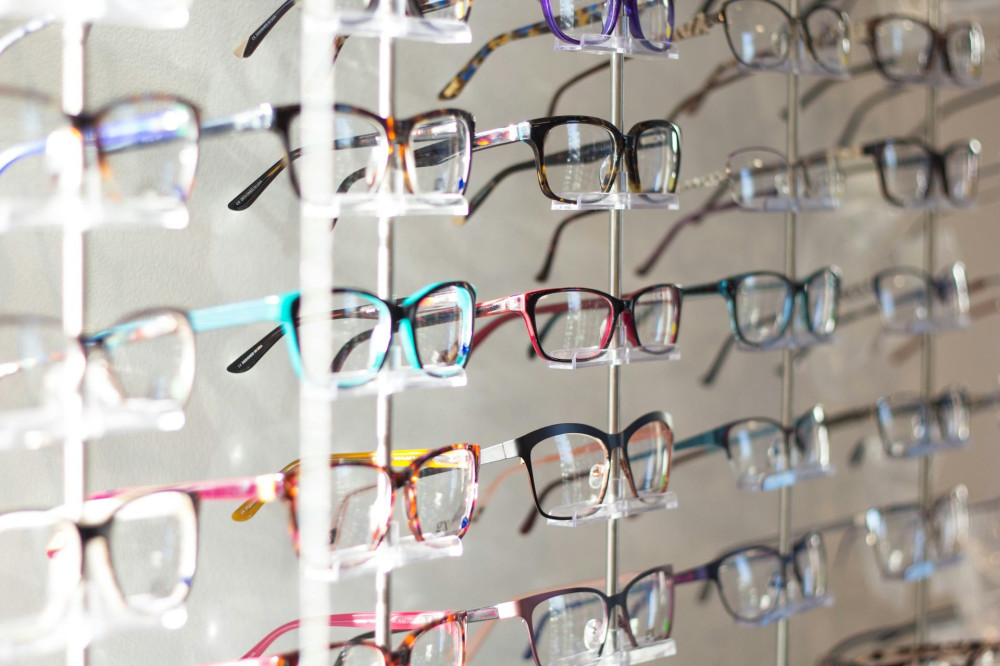
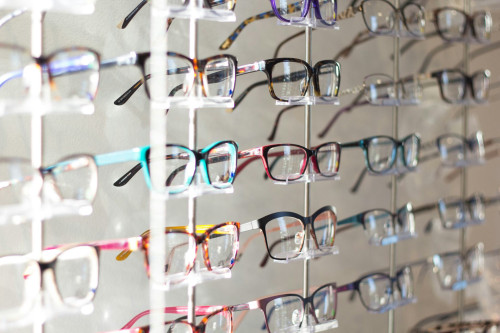
Glasses are more than a vision aid—they’re a fashion statement, a piece of technology, and now, an environmental choice. Many eyewear brands in the U.S. have introduced collections made from recycled or renewable materials, such as ocean plastics, plant-based acetates, or reclaimed metals.
Some companies go a step further by offering repair and recycling programs, allowing old frames to be refurbished or repurposed instead of discarded. This not only reduces waste but also lowers the carbon footprint of production. For consumers, it means choosing eyewear that looks good, feels good, and does good.
Læs også:

Contact Lenses: Small Products, Big Impact
Contact lenses are convenient, but they can also pose environmental challenges. Daily disposables and their plastic packaging generate significant waste, and many people mistakenly flush used lenses down the toilet or sink, where they can contribute to microplastic pollution.
To address this, several manufacturers are developing biobased lens materials and recyclable packaging. Some U.S. optometrists now participate in recycling programs that collect used blister packs and lenses. The simplest rule for consumers: always throw used lenses in the trash, never down the drain. If your eye health allows, consider switching from daily to monthly lenses to reduce waste.
Greener Clinics and Responsible Practices
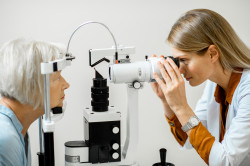
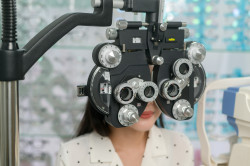
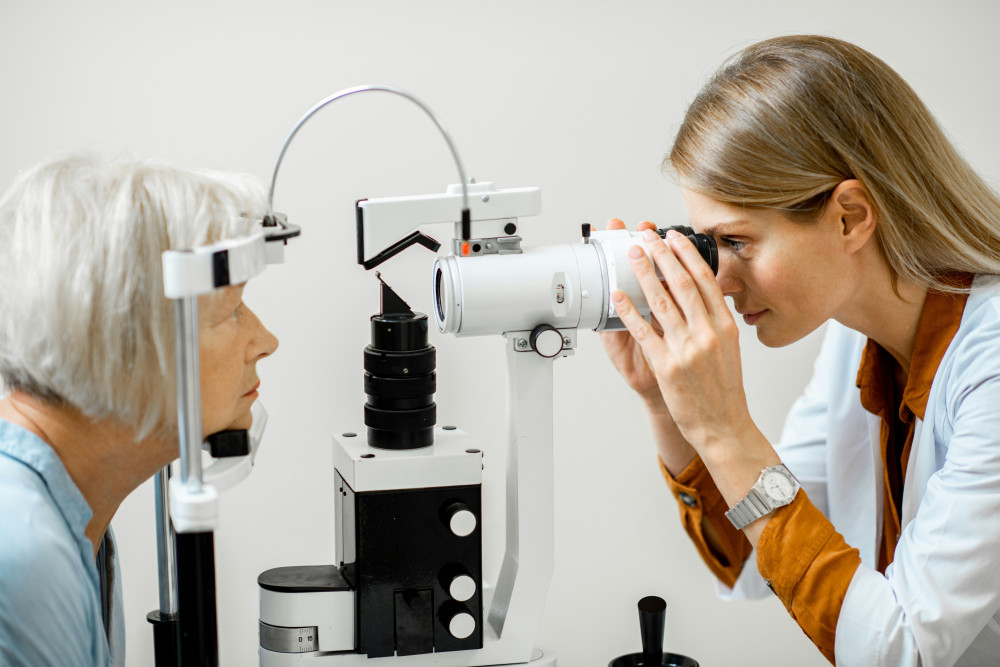
Sustainability in eye care isn’t just about products—it’s also about how clinics operate. Many optometry offices across the country are adopting energy-efficient lighting, digital recordkeeping to cut down on paper use, and eco-friendly cleaning products for daily maintenance.
Some practices are even tracking their carbon emissions and supporting offset initiatives, such as tree planting or renewable energy projects. These efforts show that even a field focused on precision and health can take meaningful steps toward environmental responsibility.
The Consumer’s Role
As a patient or customer, you have more influence than you might think. By asking where and how your glasses or lenses are made, you signal to the industry that sustainability matters. You can also support optometrists who prioritize green initiatives or participate in collection programs for used frames and lens containers.
Small choices—like choosing frames made from recycled materials or walking to your eye exam instead of driving—add up. Sustainable eye care isn’t about sacrificing quality; it’s about seeing the world through a greener lens.
The Future of Sustainable Vision
Technology is advancing quickly, and the future of eye care is likely to be even more eco-conscious. 3D-printed frames, circular production models, and virtual eye exams that reduce travel needs are already emerging.
The shift toward sustainability in the optical industry shows how health and environmental responsibility can align. When we choose products and services that care for both our eyes and our planet, eye care becomes more than a medical service—it becomes part of a broader movement toward a healthier, more sustainable future.
Læs også: