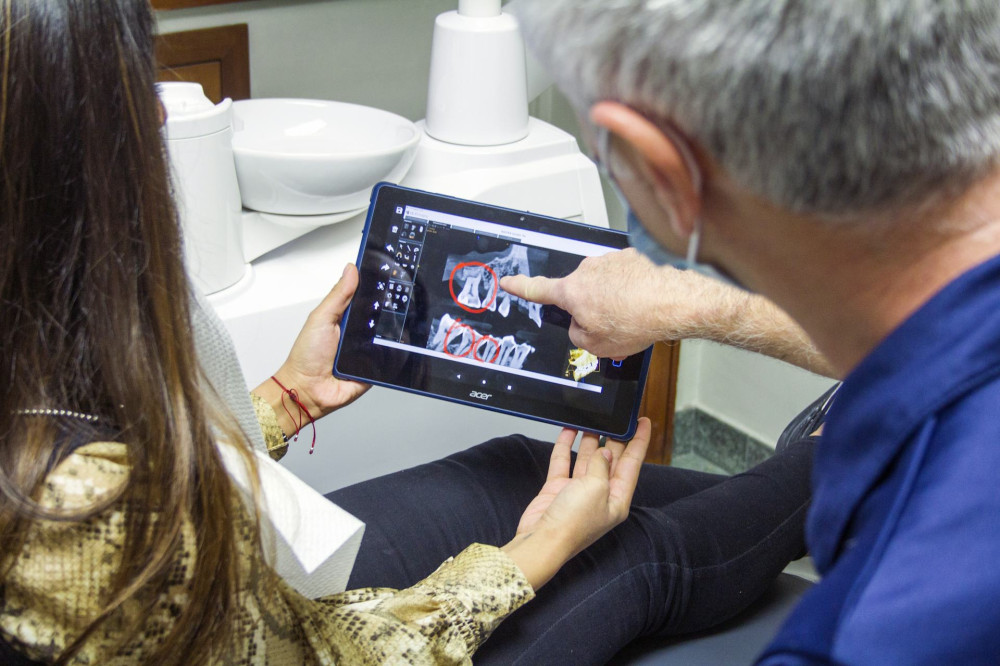
Hand Signals at the Dentist – A Comfortable Way to Communicate During Treatment

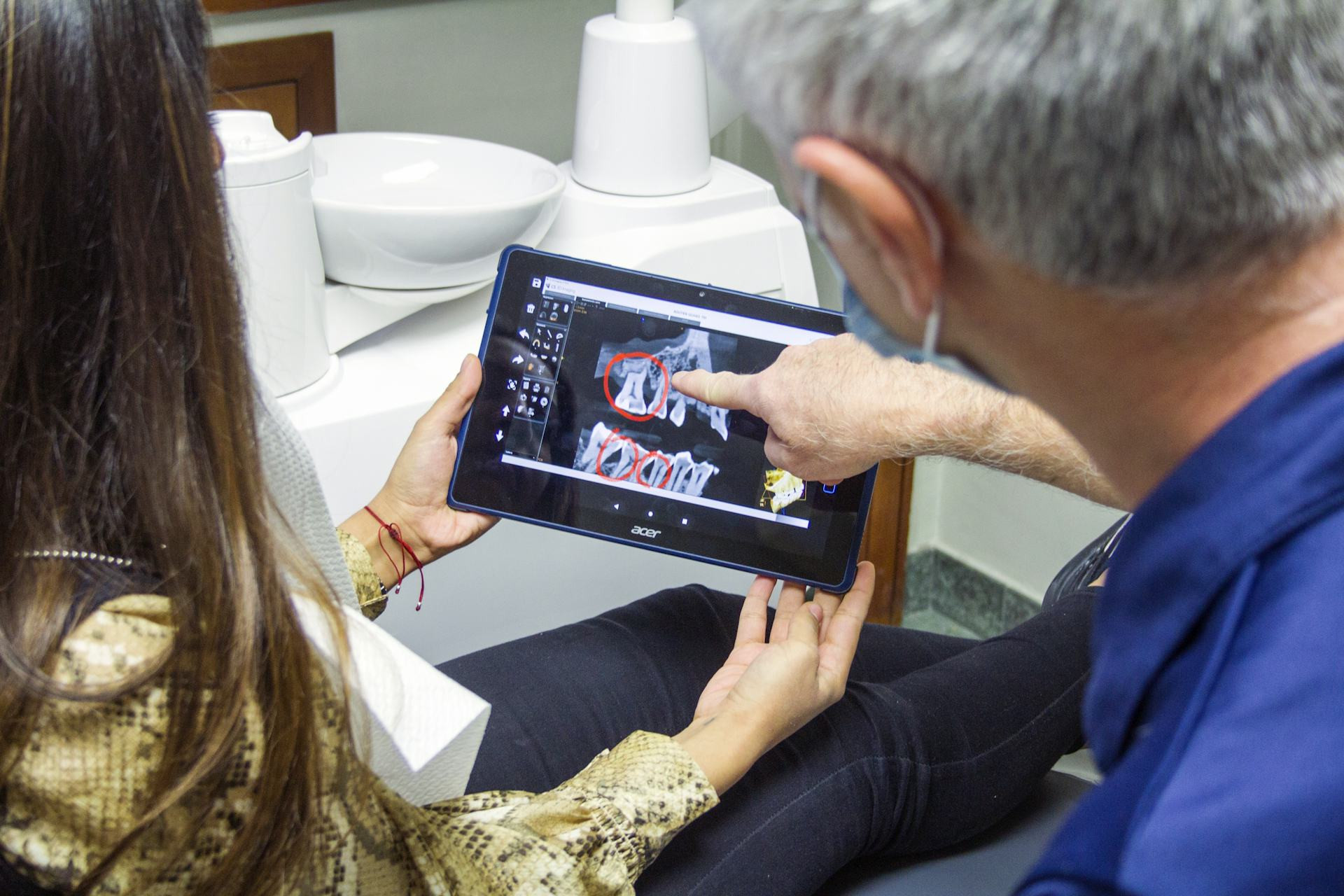
Stay calm and in control during dental treatments with simple hand signals
Teeth
Teeth
6 min
Dental visits don’t have to be stressful. By agreeing on a few easy hand signals with your dentist, you can communicate clearly, reduce anxiety, and make your treatment experience more comfortable and confident.
Phoenix Martinez
Phoenix
Martinez

Hand Signals at the Dentist – A Comfortable Way to Communicate During Treatment

Stay calm and in control during dental treatments with simple hand signals
Teeth
Teeth
6 min
Dental visits don’t have to be stressful. By agreeing on a few easy hand signals with your dentist, you can communicate clearly, reduce anxiety, and make your treatment experience more comfortable and confident.
Phoenix Martinez
Phoenix
Martinez

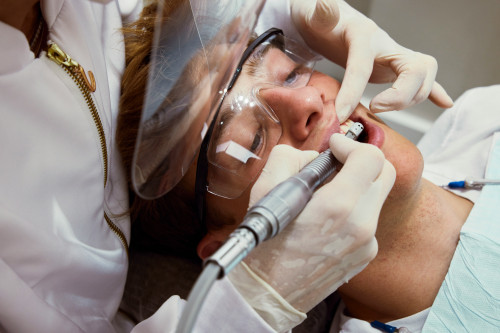
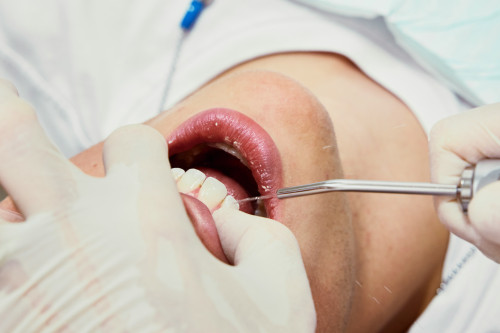
For many people, a trip to the dentist can bring on a bit of anxiety. The sound of the drill, the feeling of losing control, and the fact that you can’t speak while someone is working in your mouth can all make the experience stressful. But there’s a simple and effective way to make dental visits more comfortable: hand signals. By agreeing on a few basic gestures with your dentist before treatment begins, you can stay in control and communicate even when you can’t talk.

Why Hand Signals Make a Difference

When you’re in the dental chair, it can be hard to let your dentist know if something hurts or if you need a break. Many patients try to tough it out, which can make the experience more uncomfortable than it needs to be.

Hand signals give you a voice without words. They create a simple, clear way to communicate with your dentist, helping you feel safe and understood. Knowing that you can signal at any time if something doesn’t feel right allows you to relax, and it helps your dentist respond quickly and adjust the treatment as needed.

How to Set Up Hand Signals with Your Dentist

Most dentists in the U.S. are familiar with using hand signals and are happy to incorporate them into your visit. The key is to agree on them before the procedure starts. Here are a few easy examples:

  • Raise your hand – means “stop” or “I need a break.”
  • Point to your mouth – can mean “that hurts” or “something feels off.”
  • Hold up one finger – signals “I need to rinse.”
  • Thumbs up – lets your dentist know “everything’s fine, you can keep going.”

You can, of course, adjust these signals to whatever feels natural for you. The important thing is that both you and your dentist understand what each gesture means.

A Benefit for Both Patient and Dentist

Hand signals aren’t just helpful for patients—they make the dentist’s job easier, too. When communication is clear, the dentist can work more calmly and efficiently, knowing that you’ll let them know if something’s wrong. This mutual understanding builds trust and reduces the chance of miscommunication.

For patients who experience dental anxiety, hand signals can be especially empowering. Knowing that you can stop the procedure at any time helps reduce fear and gives you a sense of control. It can even be the first step toward overcoming dental phobia and having more positive experiences in the chair.

Make It a Routine

Even if you only feel the need for hand signals during longer or more complex treatments, it’s a good idea to use them regularly. Making it a habit ensures that communication is always clear, and you’ll never feel helpless if something unexpected happens.

If you switch to a new dentist, mention that you’re used to using hand signals—most will appreciate the initiative. It shows that you’re proactive about your comfort and that you value good communication.

A Small Gesture with a Big Impact

Agreeing on hand signals takes just a moment, but it can make a world of difference. It’s about building trust, comfort, and mutual respect between you and your dentist. When you know you can communicate without words, your dental visits become less stressful—and maybe even something you don’t mind at all.

Fresh Breath with Natural Oils – How to Support Your Oral Health Naturally
Discover how natural oils can help you maintain a clean mouth and lasting freshness
Teeth
Teeth
Oral Health
Natural Remedies
Essential Oils
Fresh Breath
Wellness
2 min
Learn how to support your oral health naturally with the power of essential and plant-based oils. From reducing bacteria to soothing gums, these gentle remedies can enhance your daily routine and keep your breath fresh—without synthetic ingredients.
Oliver Carrillo
Oliver
Carrillo
Children’s Diet and Healthy Teeth: The Important Connection
Discover how everyday food choices shape your child’s dental health
Teeth
Teeth
Children
Nutrition
Dental Health
Parenting
Healthy Habits
3 min
What children eat has a powerful impact on their teeth. Learn how a balanced diet, limited sugar, and smart daily habits can help prevent cavities and build strong, healthy smiles that last a lifetime.
Elias Carter
Elias
Carter
Hand Signals at the Dentist – A Comfortable Way to Communicate During Treatment
Stay calm and in control during dental treatments with simple hand signals
Teeth
Teeth
Dental Care
Communication
Patient Comfort
Anxiety Relief
Oral Health
6 min
Dental visits don’t have to be stressful. By agreeing on a few easy hand signals with your dentist, you can communicate clearly, reduce anxiety, and make your treatment experience more comfortable and confident.
Phoenix Martinez
Phoenix
Martinez
A Mental Breather in an Overstimulated Everyday Life
Discover how small moments of stillness can restore balance in a world that never stops
Wellbeing
Wellbeing
Mental Health
Mindfulness
Digital Detox
Wellbeing
Stress Management
5 min
In an age of constant stimulation and digital noise, our minds rarely get the rest they need. This article explores practical ways to create mental breathers—simple pauses that help you reset, recharge, and find calm amid everyday chaos.
Harper Vasquez
Harper
Vasquez
Sleep Deprivation and Mood: When Imbalance Strikes
How lack of sleep disrupts emotional balance and mental well-being
Wellbeing
Wellbeing
Sleep
Mental Health
Well-Being
Stress
Lifestyle
5 min
Discover how sleep deprivation affects your mood, focus, and emotional health. Learn why consistent rest is vital for mental stability and explore practical ways to restore balance when sleeplessness takes hold.
Ruby Reyes
Ruby
Reyes
Vitamins and Minerals – Essential Nutrients for a Healthy Immune System
Discover how key vitamins and minerals help your body stay strong and resilient
Wellbeing
Wellbeing
Immune System
Nutrition
Vitamins
Minerals
Healthy Living
5 min
Learn how essential nutrients like vitamins and minerals support your immune system and overall health. This article explains which micronutrients matter most, how to get them from your diet, and why balance is the key to lasting wellness.
Oliver Carrillo
Oliver
Carrillo
Small Daily Rituals That Build Structure and Create a Sense of Security
Discover how simple daily habits can bring calm, focus, and a sense of stability to your everyday life
Wellbeing
Wellbeing
Mindfulness
Daily Habits
Wellbeing
Self-Care
Life Balance
3 min
In a world that often feels rushed and unpredictable, small daily rituals can help you regain balance and peace of mind. Learn how intentional routines—morning, evening, and in between—can create structure, strengthen connection, and nurture a lasting sense of security.
Elias Carter
Elias
Carter
Mindfulness on the Go: Simple Exercises for a Busy Life
Discover how to bring calm and clarity into your day—anytime, anywhere
Wellbeing
Wellbeing
Mindfulness
Stress Relief
Mental Health
Wellbeing
Self-Care
7 min
Learn simple mindfulness techniques that fit seamlessly into a busy lifestyle. From mindful breathing to turning daily routines into moments of presence, these easy exercises help you stay centered and reduce stress throughout your day.
Phoenix Martinez
Phoenix
Martinez