Electric Toothbrushes: Technology That Improves the Prevention of Dental Problems

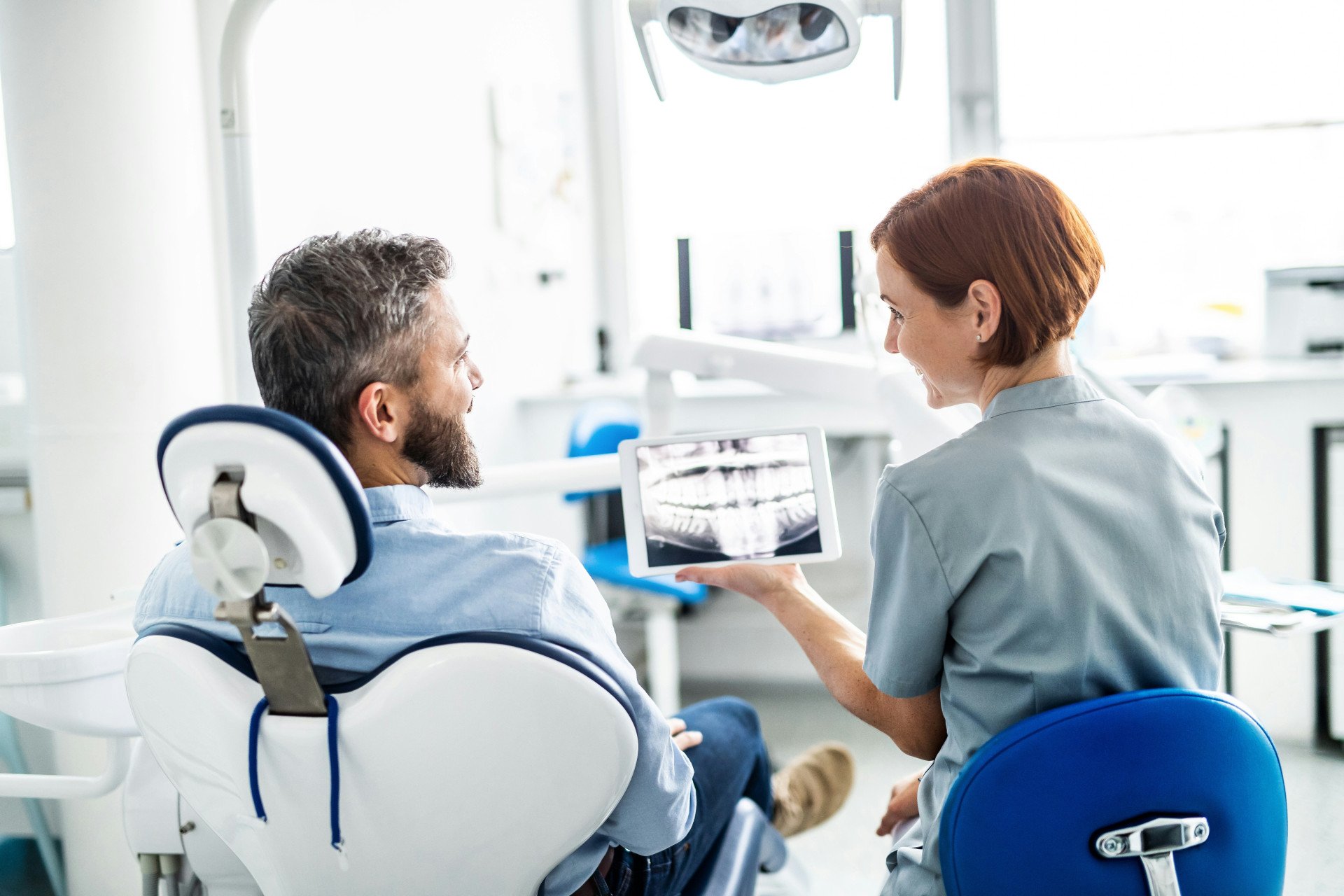
Electric Toothbrushes: Technology That Improves the Prevention of Dental Problems
In recent years, electric toothbrushes have evolved from being a luxury item to a common part of many Americans’ daily oral care routines. With advanced technology, built-in sensors, and smart features, these devices not only remove plaque more effectively but also help improve brushing technique and prevent dental problems. But what exactly makes electric toothbrushes so effective—and how do you choose the right one?
From Manual Brushing to Smart Oral Care
An electric toothbrush performs the same basic task as a manual one—it removes plaque and food particles from your teeth. The difference lies in the movement and precision. While a manual toothbrush relies entirely on your own brushing motion and pressure, an electric toothbrush performs thousands of oscillations or vibrations per minute. This results in a more consistent and thorough cleaning, especially in hard-to-reach areas.
Modern models often include pressure sensors that alert you if you’re brushing too hard and built-in timers to ensure you brush for the recommended two minutes. Some even connect to smartphone apps that track your brushing habits and provide real-time feedback.
The Technology Behind a Healthier Smile
There are two main types of electric toothbrushes: oscillating-rotating and sonic. Oscillating-rotating brushes have small, round heads that move back and forth in circular motions, while sonic brushes vibrate at high frequencies, creating micro-movements in toothpaste and saliva that help loosen plaque.
Research has shown that electric toothbrushes generally remove more plaque than manual ones and can reduce the risk of gum inflammation. This is not only due to the brushing motion but also to the consistent brushing time and even pressure that the technology helps maintain.
Benefits for All Ages
Electric toothbrushes can be beneficial for children, adults, and seniors alike. For kids, they can make brushing more fun—especially models with lights, music, or interactive apps that encourage brushing for the full two minutes. For older adults or those with limited mobility, the automatic motion can make it easier to achieve a thorough clean without applying much force.
For adults, the main advantages often come down to precision and consistency. Many users find that electric toothbrushes help them become more aware of their brushing technique and maintain a more regular routine.
How to Choose the Right Electric Toothbrush
The U.S. market offers a wide range of electric toothbrushes, from basic models to high-tech smart brushes. Here are some factors to consider when choosing one:
- Brush head type and motion – Decide between oscillating or sonic based on your preference.
- Pressure sensor – Protects your gums by warning you if you brush too hard.
- Timer and app connectivity – Helps ensure you brush long enough and track your progress.
- Battery life and charging options – Important if you travel frequently.
- Cost and replacement heads – Remember to factor in the price of new brush heads, which should be replaced every three months.
It’s also a good idea to consult your dentist, who can recommend a model suited to your specific needs—especially if you have sensitive teeth, gum issues, or orthodontic appliances.
Læs også:

An Investment in Prevention
Although electric toothbrushes are more expensive than manual ones, they can be a worthwhile investment in your oral health. By providing a more effective and gentle cleaning, they can help prevent cavities, gum disease, and bad breath—and potentially save you money on dental treatments in the long run.
As technology continues to advance, future toothbrushes will likely become even more personalized and data-driven. But no matter how sophisticated they get, the most important thing remains the same: brush regularly, thoroughly, and with care.
Læs også: