Cardio Training as a Sanctuary – Finding Balance and Calm in Movement


Cardio Training as a Sanctuary – Finding Balance and Calm in Movement
For many Americans, cardio training is about improving endurance, running faster, or cycling longer. But for a growing number of people, it’s also becoming a sanctuary — a space where the mind quiets down and the body moves freely, without pressure or performance goals. In a culture that often celebrates busyness, movement can be a way to find balance, both physically and mentally. Let’s explore how cardio can become a source of calm and clarity — not just sweat and effort.
Movement as a Mental Reset
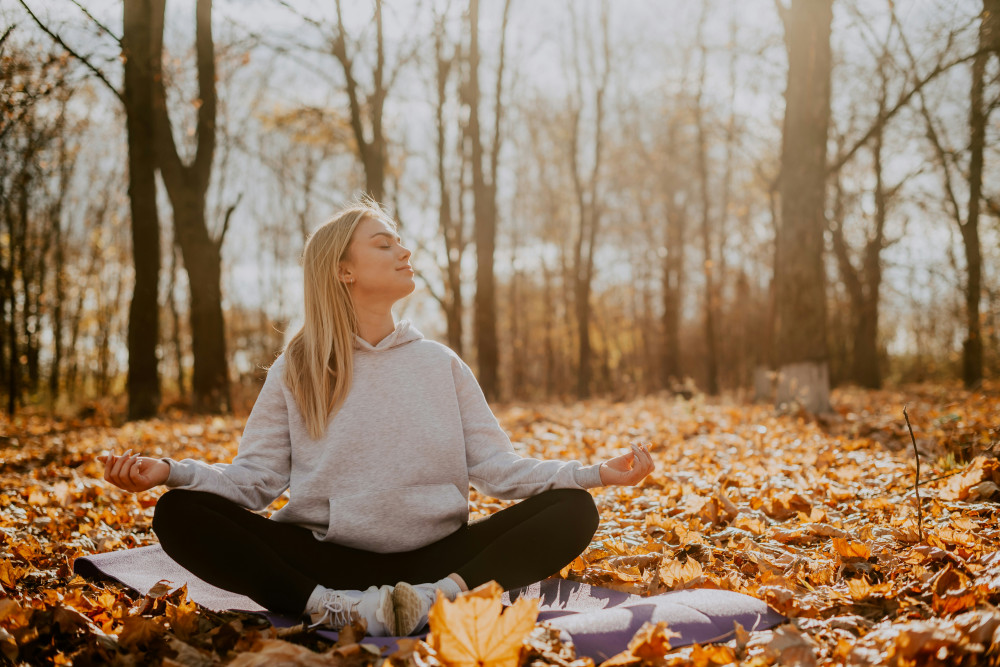
When you run, bike, or swim, something special happens inside your body. Your heart rate rises, your breathing deepens, and your brain releases endorphins — the body’s natural mood boosters. The result is not only a sense of well-being but also a mental clarity that many describe as meditative.
In a world filled with screens, notifications, and constant noise, cardio can serve as a break from the mental clutter. It’s not necessarily about pushing yourself to the limit, but about finding a rhythm where movement becomes a form of active rest — a moving meditation that helps you reconnect with yourself.
Finding Your Own Rhythm
There’s no single right way to do cardio. Some people find peace in long runs through quiet neighborhoods or local trails, while others prefer a gentle bike ride or a swim in calm water. The key is to choose a form of movement that fits your body, your schedule, and your state of mind.
- Running offers a natural rhythm where breath and stride merge. It can be a powerful way to clear your head.
- Cycling allows you to explore your surroundings at your own pace, feeling the wind as part of the experience.
- Swimming brings a unique calm — the water muffles sound and encourages mindful breathing.
- Walking is often underestimated; a brisk walk can deliver the same mental benefits as more intense workouts.
It’s not about performance or competition. It’s about finding a pace where your body works, your mind unwinds, and you feel grounded in the moment.
Læs også:



Training as Self-Care
Cardio training can be a form of self-care — a way to show up for yourself. Setting aside time to move sends a message that your body and mind deserve attention. In a life filled with work demands, family responsibilities, and social commitments, that time can be a much-needed act of balance.
Even short sessions make a difference. A 30-minute jog, a quick spin on the bike, or a walk around the block can boost energy and improve sleep. What matters most is consistency — making movement a natural part of your week without turning it into another obligation.
The Outdoors as a Healing Space
Exercising outdoors often amplifies the sense of freedom. Nature offers fresh air, changing scenery, and a natural rhythm that encourages mindfulness. Whether it’s a park trail, a beach path, or a quiet suburban street, being outside helps you disconnect from screens and reconnect with your senses.
Try leaving your phone in your pocket and focus on what’s around you: the sound of your footsteps, the feel of the air, the colors of the sky. When you move with awareness, your workout becomes more than physical — it becomes a mental reset.
When Calm Becomes Routine
For cardio to become a sanctuary, it shouldn’t feel like another task on your to-do list. It’s about finding a form and pace that fit your life. Some days you might have energy for a long run; other days, a short walk is enough. Both count.
Over time, you’ll notice that regular movement doesn’t just strengthen your body — it steadies your mind. You’ll carry that calm into the rest of your day, feeling more centered and resilient. That’s when cardio becomes more than exercise; it becomes a way of living with balance.
The Quiet Strength in Motion
Cardio training as a sanctuary isn’t about chasing results — it’s about presence. When you move with awareness, every step, every pedal stroke, every breath becomes a reminder that strength and serenity can exist together. In that space between effort and ease, you find balance — right there, in motion.
Læs også: