Small Breaks, Big Difference – The Path to Calm and Balance in Children’s Everyday Lives


Small Breaks, Big Difference – The Path to Calm and Balance in Children’s Everyday Lives
In a world where children’s days are filled with school, sports, screens, and social expectations, it’s easy to forget something essential — the need for pauses. Small moments without pressure, where kids can breathe, reflect, and simply be. Research shows that these short breaks play a crucial role in children’s well-being, focus, and emotional balance. But how can families make room for calm in the middle of busy American routines?
Why Breaks Matter
Children’s brains are constantly developing. They learn, process, and adapt to new experiences every day. Without breaks, they risk becoming overstimulated, which can lead to restlessness, fatigue, and difficulty concentrating.
Short pauses give the brain time to “digest” the day’s experiences. This helps strengthen memory and focus. Breaks also help children tune in to their own needs — whether they’re tired, hungry, or just need to move around.
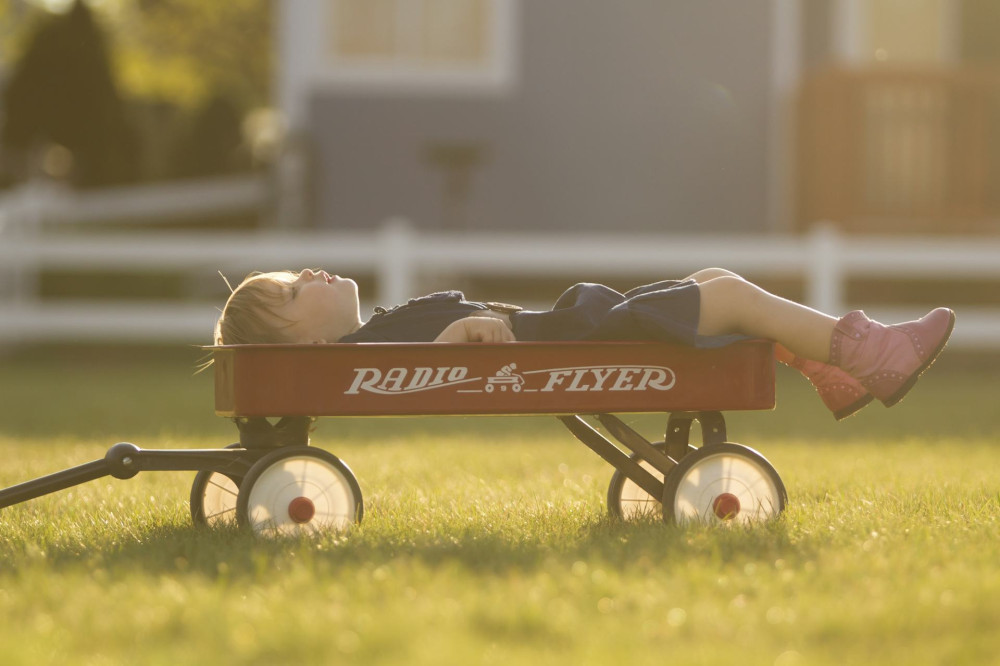
Calm doesn’t always mean silence. It can be a moment of creativity, play, or connection — anything that gives a child a sense of safety and balance.
Creating Rhythm and Calm at Home
A calm daily rhythm starts with structure. Children thrive when they know what to expect and when there’s time to unwind.
- Establish consistent routines – predictability creates comfort. A peaceful morning routine or a quiet bedtime ritual can make a big difference.
- Schedule downtime – just as you plan homework or sports, plan time for doing nothing.
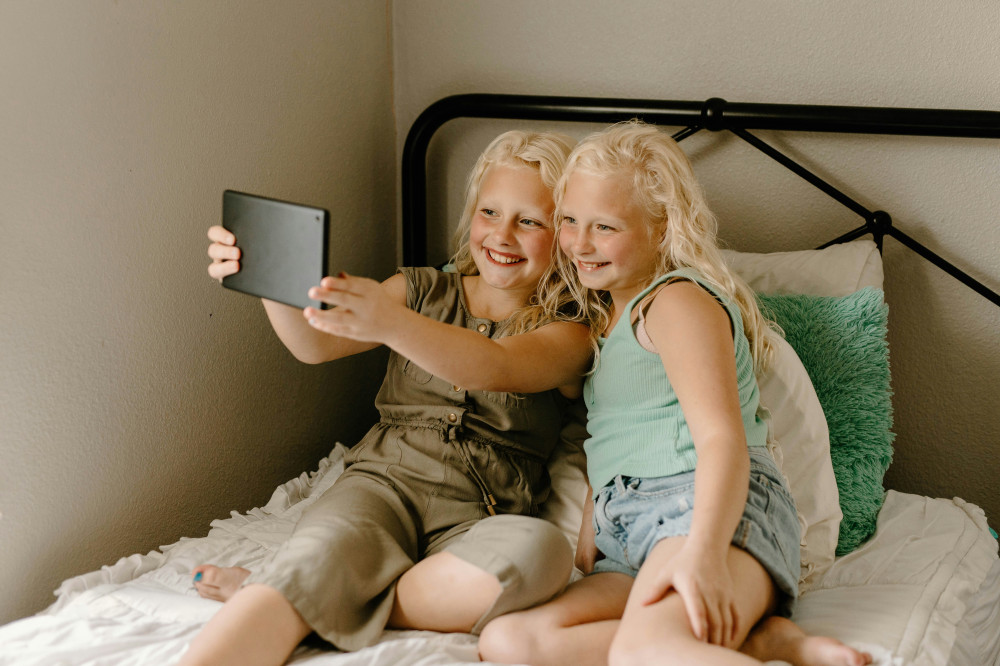
- Limit screen time – screens can be fun, but they keep the brain constantly stimulated. A break from devices opens space for imagination and rest.
- Design calm spaces – a cozy corner with pillows, books, or art supplies can become a retreat where a child can recharge.
It’s not about removing activity, but about finding balance between movement and rest.
Breaks at School and After Hours
School takes up a large part of children’s lives, and even short breaks can have a big impact. Many teachers now include “brain breaks” — quick stretches, breathing exercises, or short movement activities. These moments help kids refocus and reduce stress.
Outside of school, breaks can look different. It might be walking home without headphones, spending time in the backyard, or drawing just for fun. What matters most is that the child gets time to relax without expectations or performance pressure.
Læs også:



The Parent’s Role
Parents play a key role in teaching balance. Children mirror what they see — if you take breaks yourself, they’ll learn to do the same.
Try creating small shared moments without distractions: enjoy a snack together, read a book, or simply sit quietly side by side. These are the moments when connection grows.
It also helps to talk with your child about how they feel when they’re tired or overwhelmed. Naming emotions makes it easier for them to recognize when they need a pause.
Calm as a Life Skill
Learning to find calm is a lifelong skill. Children who grow up with a natural rhythm between activity and rest are better equipped to handle stress and change later in life.
It doesn’t take major changes — just small adjustments in daily life. A quiet moment after school, a gentle evening routine, or a few minutes of reflection can be enough to restore balance.
When we help children find calm, we give them a lifelong tool — one that helps them stay centered, understand themselves, and find joy in the simple moments.
Læs også: