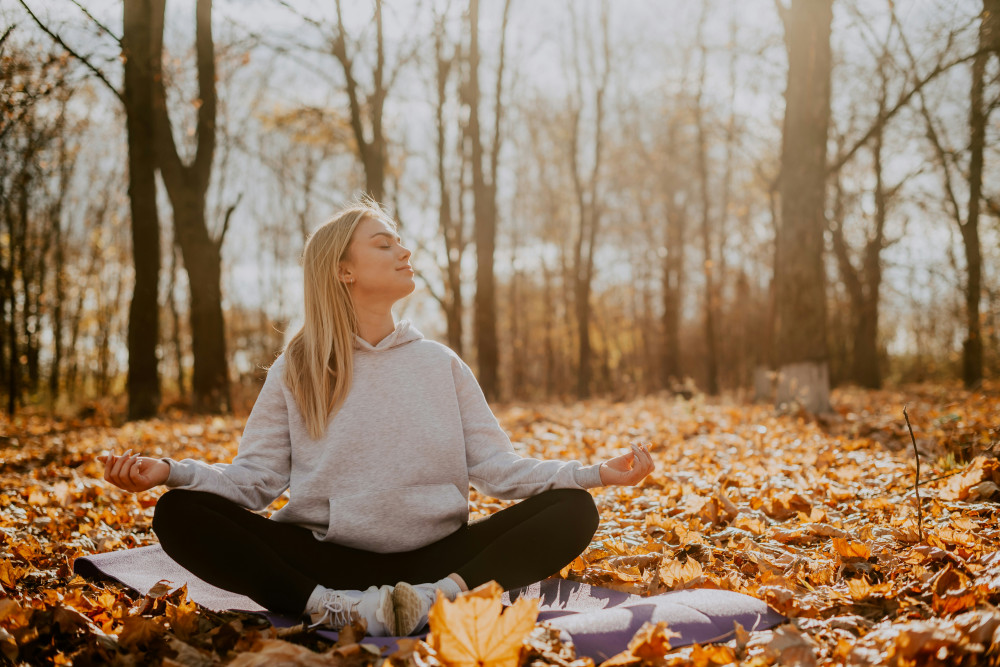
Reflect on Your Eating Habits and Create a More Balanced Diet

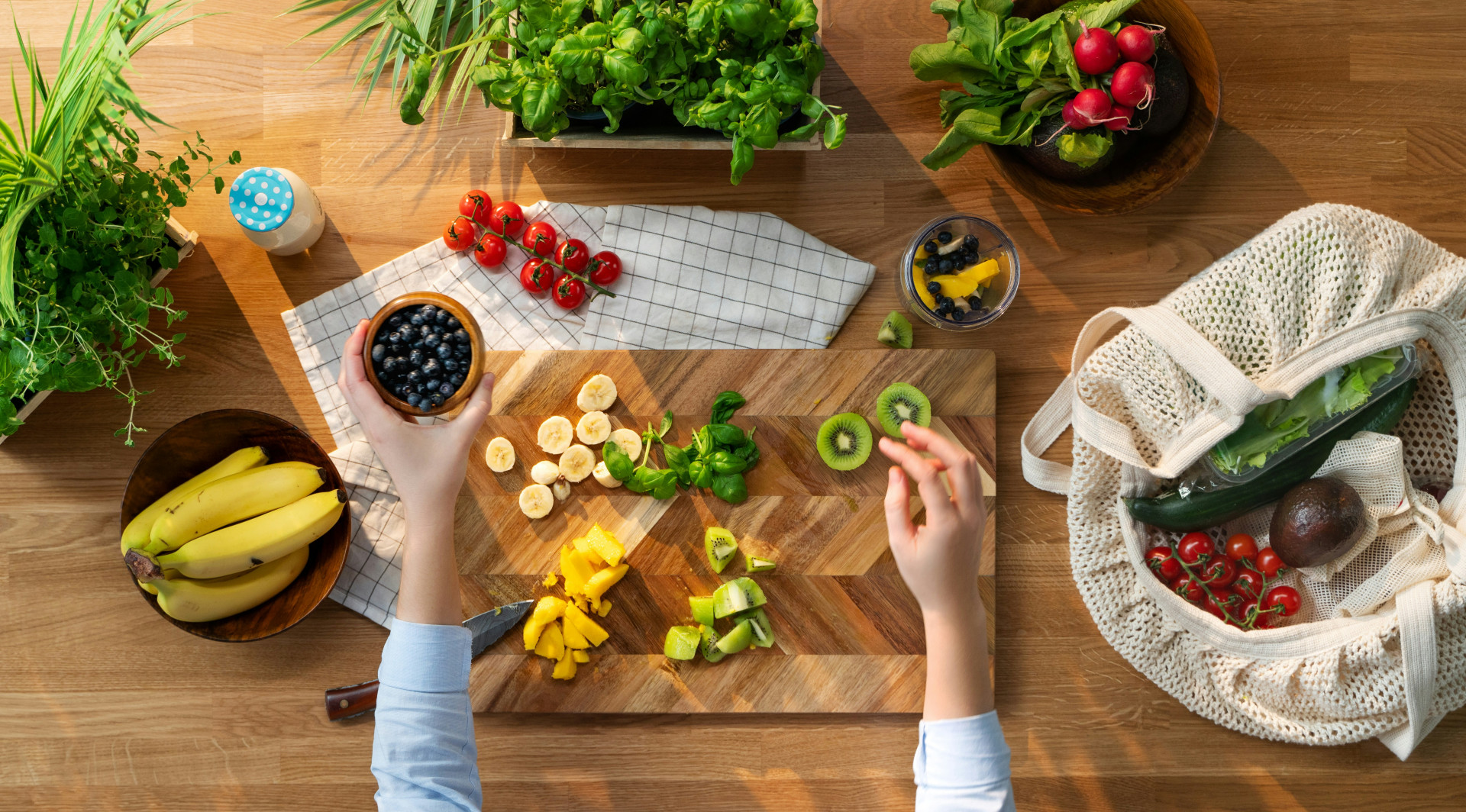
Reflect on Your Eating Habits and Create a More Balanced Diet
Many of us eat on autopilot. Meals often become something we squeeze in between work, family, and errands — and that can lead to habits that don’t always support our health or energy levels. Creating a more balanced diet isn’t about strict rules or deprivation; it’s about becoming aware of what you eat and why. Here’s how you can reflect on your eating habits and build a healthier, more balanced routine.
Know Your Habits — and Understand Them
Before you can make changes, you need to know where you’re starting from. Try keeping a food journal for a week. Write down what you eat and drink, when, and how you feel at the time. This isn’t about judgment — it’s about awareness. You might notice patterns: do you skip breakfast, eat late at night, or snack while watching TV?
Once you see your habits clearly, think about what drives them. Are you eating because you’re hungry, or because you’re stressed, bored, or tired? Emotional eating is common, and recognizing it is the first step toward making more mindful choices.
Bring Structure to Your Meals
A balanced diet starts with consistency. Eating at regular times helps keep your blood sugar steady and prevents the energy crashes that can lead to overeating or sugar cravings.
- Begin your day with a nourishing breakfast that includes protein, whole grains, and fruit or vegetables.
- Plan your meals ahead of time so you’re not left scrambling when hunger hits.
- Keep healthy snacks on hand, like nuts, yogurt, or cut-up veggies, to make smart choices easier.
Structure doesn’t mean perfection — it’s about giving your body the steady fuel it needs to function well.
Think in Terms of Balance — Not Restrictions
Healthy eating isn’t about cutting out everything you enjoy. It’s about balance and variety. You can absolutely enjoy dessert or a favorite comfort food — what matters is the overall pattern of your diet.
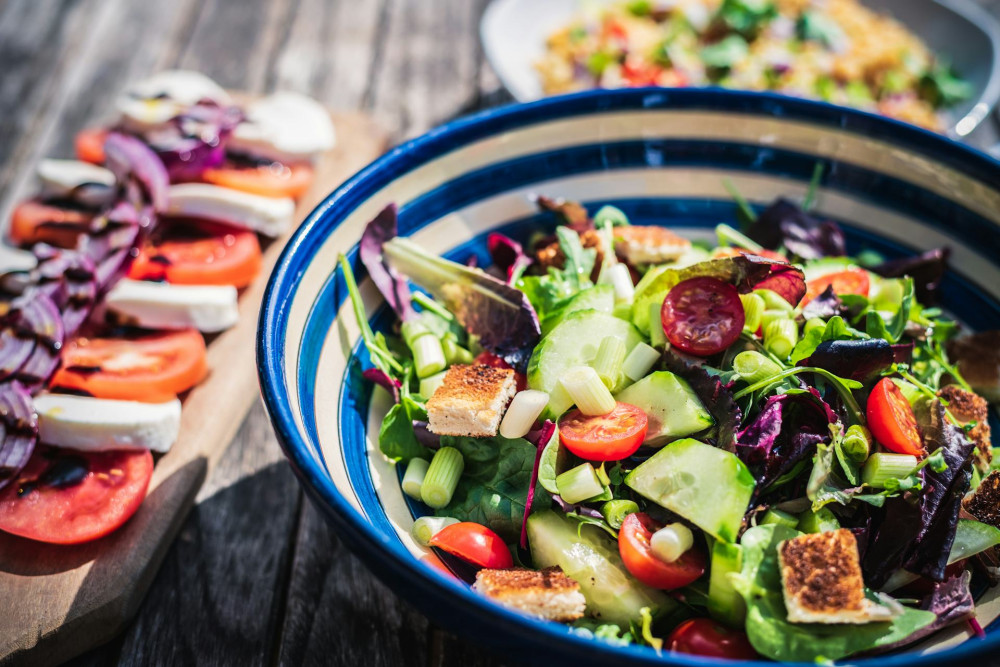
A good rule of thumb is to let vegetables, fruits, whole grains, and lean proteins make up most of your plate, while sweets and processed foods take a smaller role. This approach gives you both nourishment and enjoyment without guilt.
Listen to Your Body
Your body sends signals, but in a busy day, it’s easy to miss them. Try slowing down when you eat. Notice when you start to feel satisfied — it takes time for your brain to register fullness, and eating too quickly can lead to overeating.
Pay attention to how different foods make you feel. Do you feel energized after a meal, or sluggish and tired? Over time, you’ll learn which foods support your well-being and which ones don’t.
Læs også:


Make Healthy Choices Easy
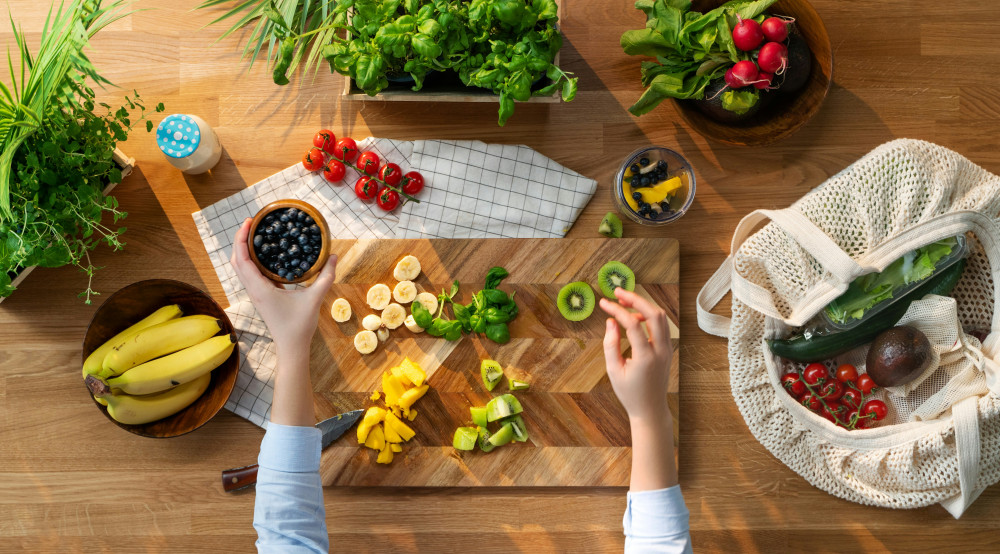
Healthy eating becomes simpler when it’s convenient. Stock your kitchen with fresh produce, whole grains, beans, and frozen vegetables. Prepare meals or ingredients in advance — for example, cook a batch of brown rice or roast vegetables for the week. This saves time and helps you avoid last-minute takeout.
Small swaps can make a big difference: choose whole-grain bread instead of white, water instead of soda, and herbs and spices instead of excess salt. Over time, these small changes add up to lasting habits.
Keep Reflecting as Life Changes
Reflecting on your eating habits isn’t a one-time exercise — it’s an ongoing process. Your needs change with the seasons, your activity level, and your life circumstances. Give yourself permission to adjust and find balance again when things shift.
Ask yourself simple questions like:
- How do I feel after my meals today?
- Am I eating because I’m hungry or out of habit?
- What’s one small change I could make tomorrow?
These reflections can lead to meaningful improvements — not just for your physical health, but for your relationship with food.
A Balanced Diet as a Way of Life
In the end, eating a balanced diet is about creating a lifestyle that feels sustainable — physically, mentally, and emotionally. It’s not a quick fix or a temporary plan, but a way to take care of yourself every day. When you eat with awareness and intention, you gain more energy, better mood, and a stronger sense of control over your well-being.
Start small, be patient, and celebrate progress along the way. Every mindful choice brings you closer to a healthier, more balanced life.
Læs også: