Multiple Hair Types on One Head? How to Customize Your Hair Care


Multiple Hair Types on One Head? How to Customize Your Hair Care
Have you ever noticed that your hair doesn’t behave the same all over? Maybe it’s straight at the nape of your neck but wavy or frizzy around your temples—or fine in the front and thicker in the back. It’s completely normal to have multiple hair types on one head. Hair can vary in texture, thickness, and porosity, and that means different parts of your hair may need different care. Here’s how to understand your unique hair mix and tailor your routine for the best results.
Why Do We Have Different Hair Types?
Your hair type is largely determined by genetics, but external factors like sun exposure, heat styling, and chemical treatments also play a role. Hair near your face and neck is often exposed to more sweat, friction, and humidity, while the lengths and ends may be drier or more damaged. That’s why you might have straight, wavy, and curly sections all at once—or areas that respond differently to the same product.
Hormonal changes, aging, and lifestyle can also affect your hair’s texture over time. It’s perfectly normal for your hair to evolve—and for your routine to evolve with it.
Get to Know Your Hair
Before you can customize your care, you need to understand what you’re working with. Start by identifying three key traits:
- Texture: Is your hair fine, medium, or coarse?
- Porosity: How easily does your hair absorb and retain moisture? (Low porosity means moisture has a hard time getting in, while high porosity often results from damage or chemical processing.)
- Pattern: Is your hair straight, wavy, curly, or coily—and does that pattern change from one area to another?
A simple test: take a single strand and feel it between your fingers. If it feels smooth, it’s likely low porosity; if it feels rough, it’s higher porosity. You can also observe how your hair reacts to humidity—does it puff up or stay sleek?
Divide Your Hair into Zones
Once you’ve identified the differences, think of your hair in “zones.” Just like your skin can be oily in some areas and dry in others, your hair can have different needs across your head.
- Crown and sides: Often exposed to sun and heat—these areas may need extra moisture and protection.
- Nape: Can be oilier or heavier due to contact with skin and sweat.
- Ends: Usually the driest and most fragile—need nourishment and sealing products.
By tailoring products and techniques to each zone, you’ll get a more balanced, healthy look.
Customize Your Routine – Step by Step
1. Wash with care
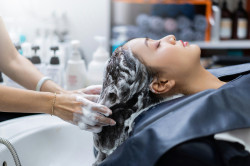
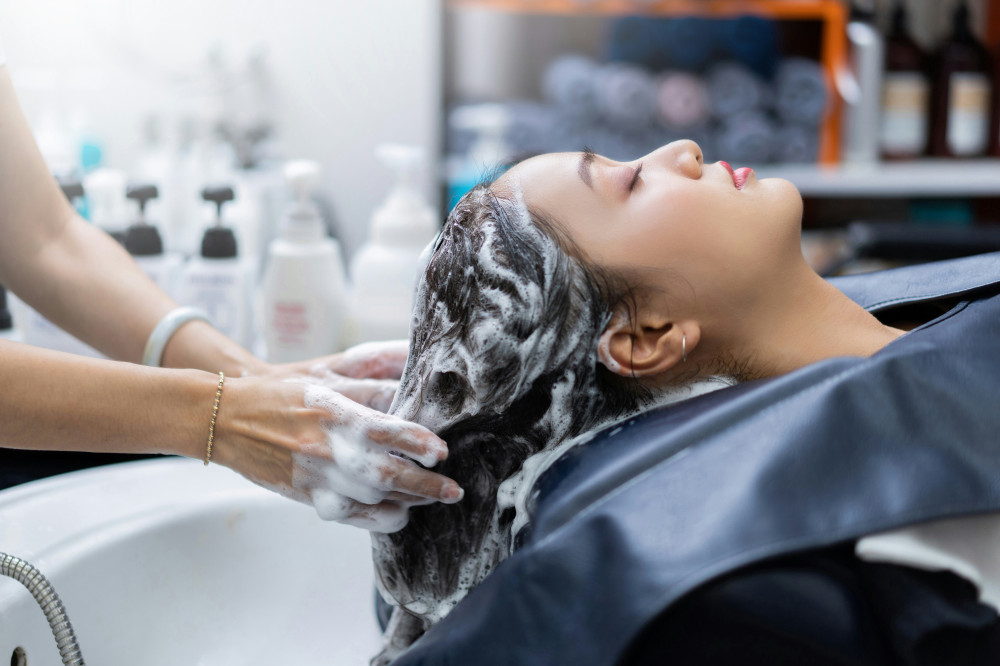
Use a gentle shampoo that suits your scalp, and focus on cleansing the roots. If your ends are dry, let the suds run through them instead of scrubbing. For curly or highly porous sections, consider co-washing (washing with conditioner) occasionally to maintain moisture.
2. Mix and match conditioners
You don’t have to use the same conditioner everywhere. A lightweight formula can go on oilier areas, while a richer, more hydrating one can be applied to dry lengths. It takes a bit more time, but your hair will thank you.
3. Layer leave-ins and oils strategically
A few drops of oil on the ends can make a big difference, while a light leave-in spray can hydrate finer or straighter sections. Experiment with amounts—too much product can weigh down fine hair.
4. Adjust your styling approach
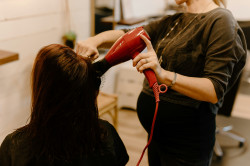
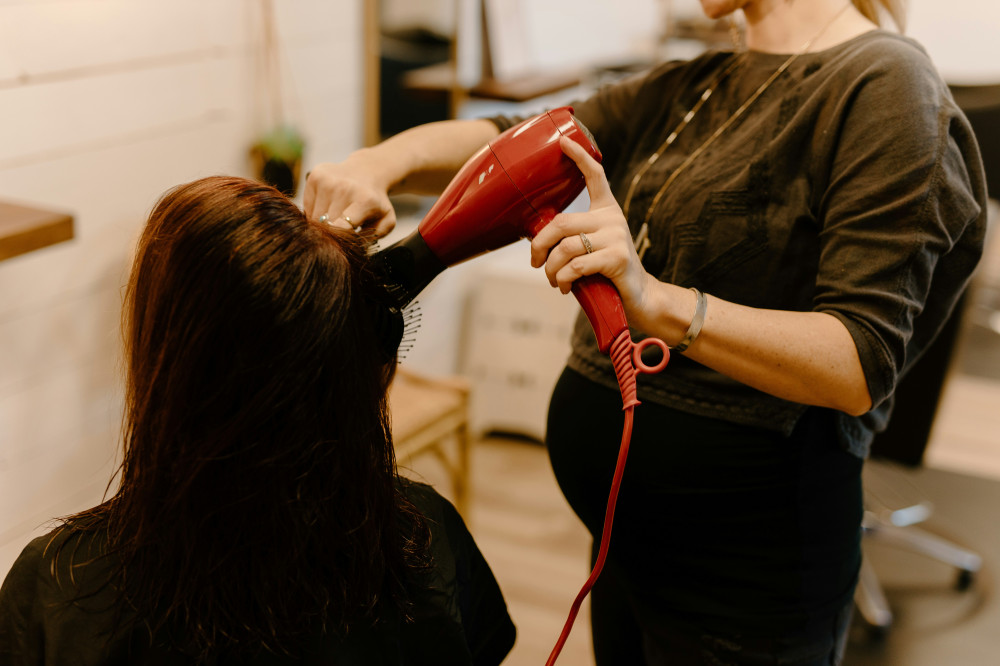
If you use heat tools, vary the temperature based on hair thickness. Finer sections need lower heat than coarser ones. Always use a heat protectant, and consider air-drying some sections to minimize damage.
When Curls and Straight Strands Coexist
Many people find that their hair is curlier in the back and straighter in the front. Instead of forcing everything to look uniform, work with the differences. Use a diffuser to enhance curls in the back and a round brush to smooth the front. The result is a natural, effortless blend that celebrates your hair’s variety.
Adapt to the Seasons
Your hair reacts to the environment. In winter, it may become dry and static-prone; in summer, it can feel heavy or frizzy. Adjust your products accordingly—richer, oil-based formulas in colder months and lighter, humidity-fighting ones in warmer weather. Don’t forget UV protection if you spend time outdoors.
Læs også:

Listen to Your Hair
There’s no one-size-fits-all routine—especially when you have multiple hair types. The key is to observe how your hair responds. Does it feel heavy, greasy, dry, or frizzy? Small tweaks can make a big difference.
Having more than one hair type isn’t a problem—it’s an opportunity to understand your hair better. When you customize your care, you’ll achieve a healthier, more balanced, and naturally beautiful look—whether your strands are straight, wavy, curly, or somewhere in between.
Læs også: