Avoid Burnout: Find Balance Between Activity and Rest


Avoid Burnout: Find Balance Between Activity and Rest
In a culture that often celebrates busyness, it can be difficult to find a healthy rhythm between doing and resting. Many Americans juggle demanding jobs, family responsibilities, and social commitments, leaving little time to recharge. Avoiding burnout isn’t just about getting enough sleep—it’s about creating a lifestyle where activity and recovery support each other.
The Body’s Need for Balance
Our bodies are designed for both movement and rest. Physical activity releases hormones that strengthen muscles, boost mood, and improve circulation. But without proper recovery, even the most well-intentioned routines can lead to fatigue, irritability, and decreased performance.
Early signs of overload are easy to ignore: trouble sleeping, low energy, difficulty focusing, or feeling “on” all the time. These are signals that your body needs a break. By paying attention and adjusting your pace early, you can prevent burnout before it takes hold.
Læs også:




Plan Your Energy, Not Just Your Time
Most people organize their days around their calendars, but few consider their energy levels. Some tasks require focus and creativity, while others can be done when you’re tired. Matching your activities to your natural energy flow helps you work more efficiently and with less stress.
- Start with what matters most. Many people have the most energy in the morning—use that time for demanding tasks.
- Take short breaks. Even five minutes of quiet can reset your mind.
- Alternate activity types. Switch between mental and physical tasks to avoid draining one system.
- Wind down in the evening. Avoid work right before bed to help your body relax.
Rest Is More Than Sleep
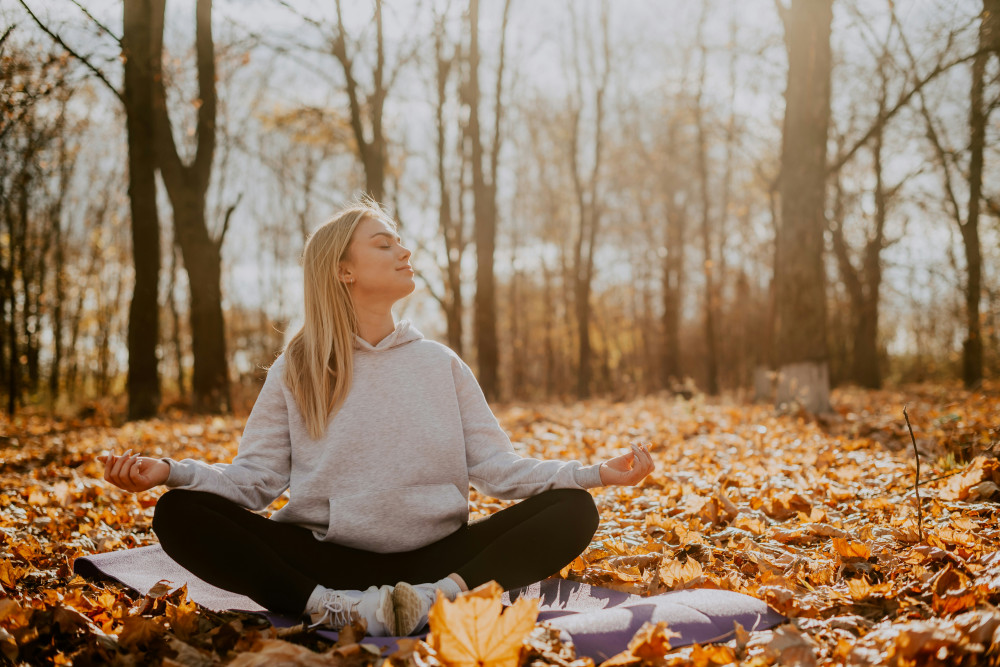
Sleep is essential, but rest also means giving your mind a pause. That might mean taking a walk without your phone, listening to music, meditating, or simply sitting still. Many people only realize how tired they are when they finally stop moving.
Try building small “breathing spaces” into your day—moments when you don’t have to respond or perform. It may feel strange at first, but these pauses are when your body restores itself and your thoughts settle.
Physical Activity as a Counterbalance to Stress
Exercise is one of the most effective ways to prevent burnout. Regular movement lowers stress hormones, improves sleep, and boosts overall well-being. It doesn’t have to be intense—brisk walking, cycling, or light strength training can make a big difference.
The key is to choose activities that feel enjoyable, not like another obligation. Listen to your body: some days you might feel like running, other days a gentle stretch is enough. Both count.
Learn to Say No—and Yes to Yourself
One of the biggest causes of burnout is saying yes too often. It might be extra work projects, social events, or commitments you don’t truly have energy for. Saying no isn’t selfish—it’s an act of self-respect.
When you protect your time and energy, you create space for what truly matters. It’s not about doing less, but about doing what’s right for you in a sustainable way.
Create a Rhythm That Fits You
There’s no single formula for balance. Some people thrive on a busy schedule, while others need more downtime. The goal is to find a rhythm where you feel both engaged and rested. Notice when you feel most focused and when you need to unplug.
A good rule of thumb: activity should give you energy, not just use it. If you often feel drained, it’s a sign that your balance needs adjusting.
A Balanced Life Is a Moving Life
Avoiding burnout isn’t about slowing everything down—it’s about creating a natural flow between effort and recovery. When you learn to listen to your body’s signals and respect your limits, everyday life becomes not only easier but more meaningful.
Balance isn’t a fixed state you achieve once and for all—it’s something you fine-tune over time. And in that ongoing movement lies the key to a healthy, sustainable life.
Læs også: